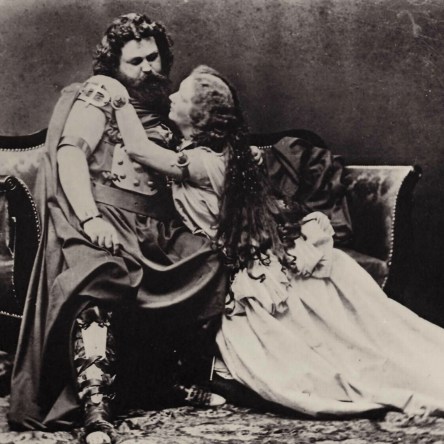
The Tristan chord
Richard Wagner’s opera Tristan und Isolde set the course of 20th century classical music by keeping the audience in suspense for four hours with a single unresolved chord.
Learn widely
Richard Wagner’s opera Tristan und Isolde set the course of 20th century classical music by keeping the audience in suspense for four hours with a single unresolved chord.
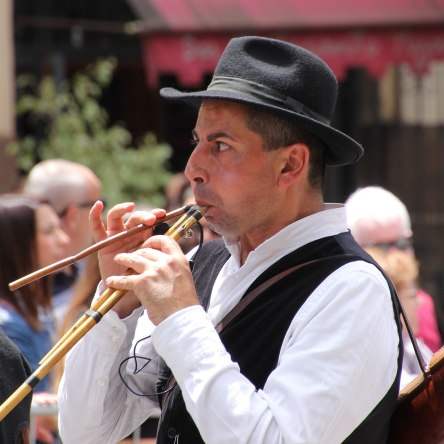
The Sardinian launeddas, also known as a triplepipe, sounds like someone playing three clarinets at the same time.

If you’re at a circus and you hear the band play “The Stars and Stripes Forever” – you better run.
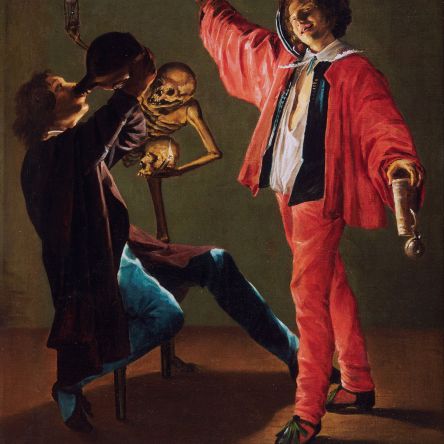
“Gaudeamus igitur” is a solemn Latin song commonly sung at Western graduation ceremonies. Two hundred and fifty years ago, it was a bawdy student drinking song.
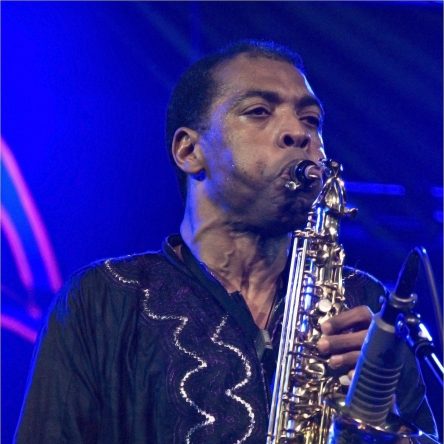
In 2017 Nigerian musician Femi Kuti set the world record for longest sustained saxophone note: fifty-one minutes and thirty-five seconds.

The Russian composer Sergei Rachmaninoff has a songwriter credit for the power ballad “All by Myself.”

Sarah Josepha Hale published “Mary had a Little Lamb” in 1830. Forty-six years later, Mary Tyler claimed to be the original Mary.
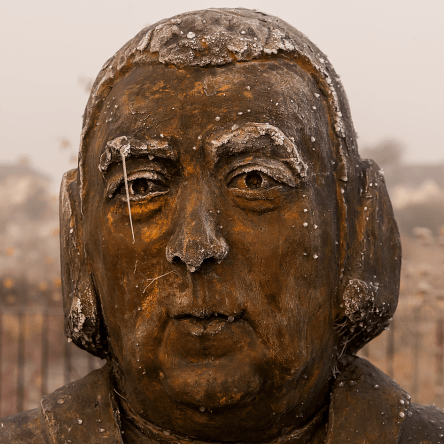
John Newton was a press-ganged sailor, a slave, a slave-ship captain, an Anglican priest, an abolitionist, and the author of the hymn “Amazing Grace.”

Mozart’s famous piece Ein kleine Nachtmusik has four movements – but in his personal catalogue, Mozart recorded five.
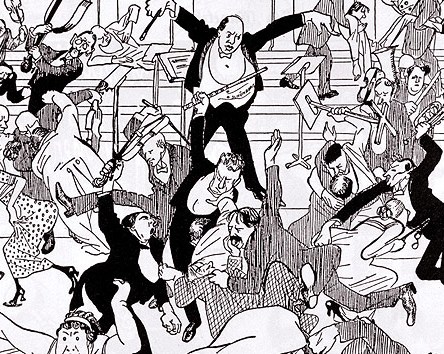
On March 31, 1913, a concert performance in Vienna ended with a riot and a famous slap.

The 1956 novelty song “The Flying Saucer” was one of the first mashup records. The words of the first spaceman ever to land on Earth? “A-wop-bop-a-loo-mop-a-lop-bam-boom!”

Gated reverb drums, one of the core sounds of 1980s rock music and most famously played in Phil Collins’ “In the Air Tonight,” were the result of an accident in the recording studio.

The Dutch win the prize for most disturbing Christmas song, 1978’s Flappie by Youp van ‘t Hek.
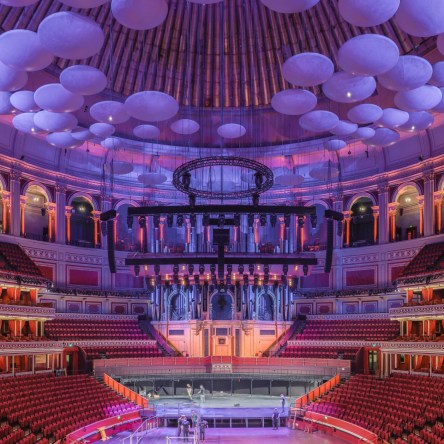
The Portsmouth Sinfonia was founded on one simple principle: why leave orchestras to the professionals?
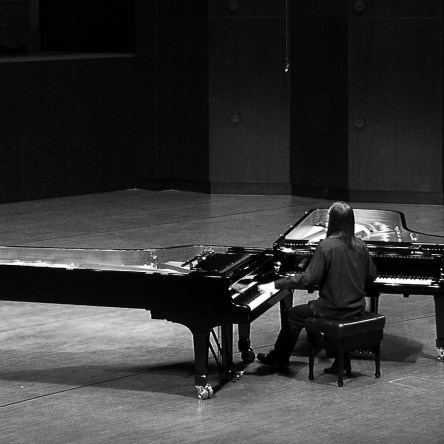
Steve Reich’s piece Piano Phase involves two pianos playing the same melody simultaneously at slightly different speeds.
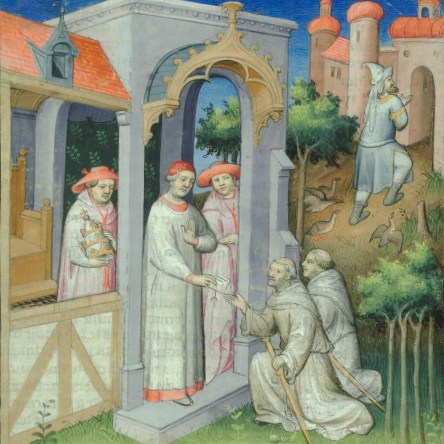
In 1324, Pope John XXII issued a papal bull condemning the excesses of modern popular music.
 The Generalist Academy