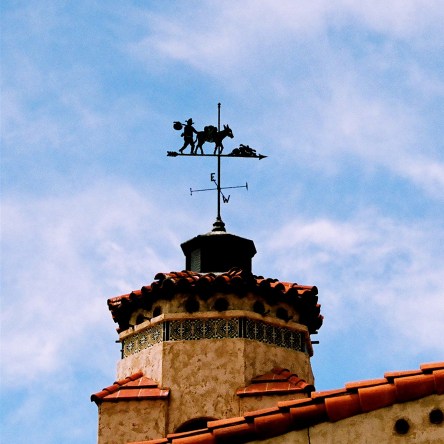
Death Valley swindler
Walter E. Scott performed in Buffalo Bill’s Wild West Show, scammed thousands of dollars with a fake gold mine, set a cross-country train speed record, and claimed to be building a castle in the midst of Death Valley.
Learn widely
Walter E. Scott performed in Buffalo Bill’s Wild West Show, scammed thousands of dollars with a fake gold mine, set a cross-country train speed record, and claimed to be building a castle in the midst of Death Valley.
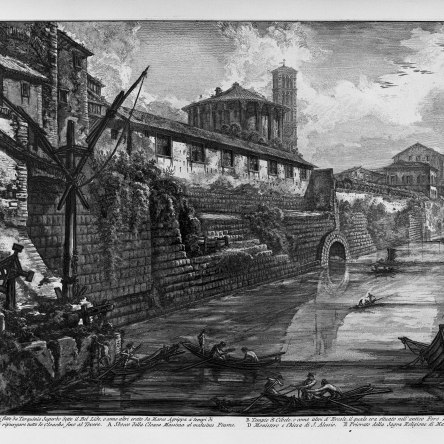
The Cloaca Maxima in Rome is one of the world’s first sewer systems. It still works today, and with good reason: it has its own goddess.
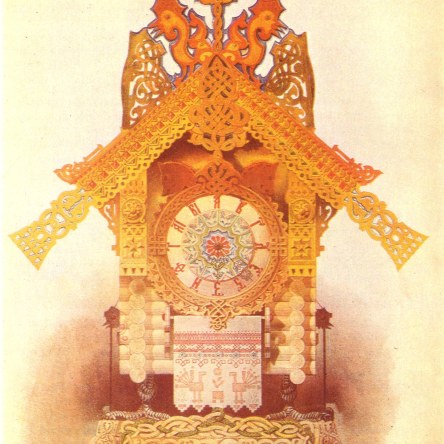
Russian composer Modest Mussorgsky composed Pictures at an Exhibition based on a journey through his late friend’s art exhibit – but what happened to the pictures?

Imagine an elevator with no doors that never stops: this is the paternoster lift.

In 1994 the art duo K Foundation burned a million pounds in cash. They did it on purpose.

How do you visualise climate change simply and evocatively? Well, you could knit it.
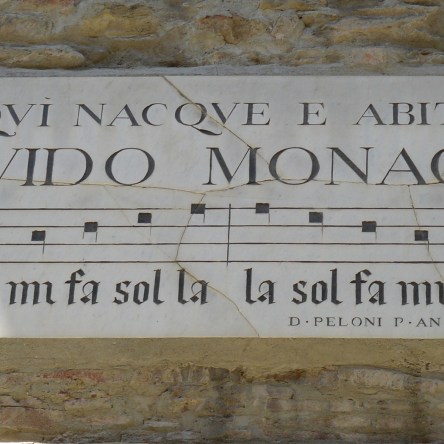
The solfège system teaches Western music scales: do re mi fa sol la ti do. But who is “do”?
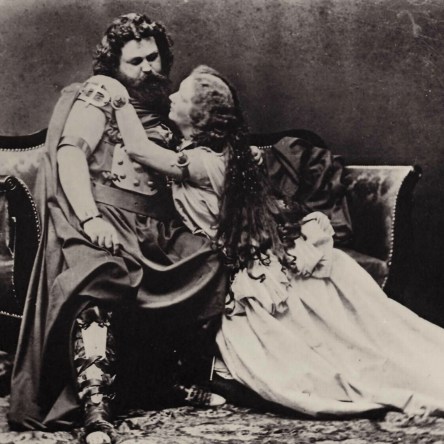
Richard Wagner’s opera Tristan und Isolde set the course of 20th century classical music by keeping the audience in suspense for four hours with a single unresolved chord.

The pyramid of Amanishakheto stood for nearly two thousand years, until an Italian looter blew it up.
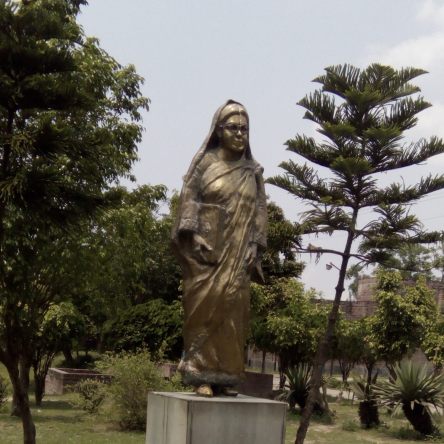
The late 19th and early 20th centuries saw many feminist utopias that portrayed a society run by women: by Charlotte Perkins Gilman, Irene Clyde, former New Zealand prime minister Julius Vogel, and the influential Bangladeshi author Begum Rokeya.
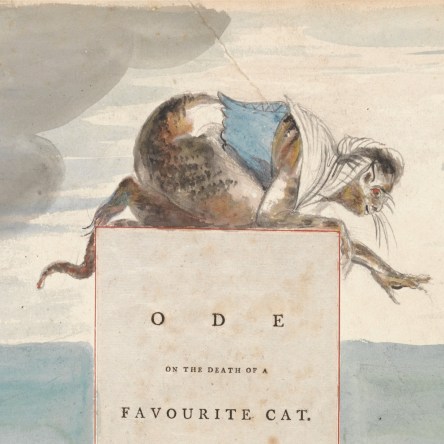
The famed Romantic poet Thomas Gray wrote a verse about his friend’s cat drowning in a goldfish bowl. [2 of 2]

Cat poetry has a long history: Christopher Smart wrote a Romantic religious poem featuring his cat Jeoffry while confined in a mental asylum in the 1760s. [1 of 2]
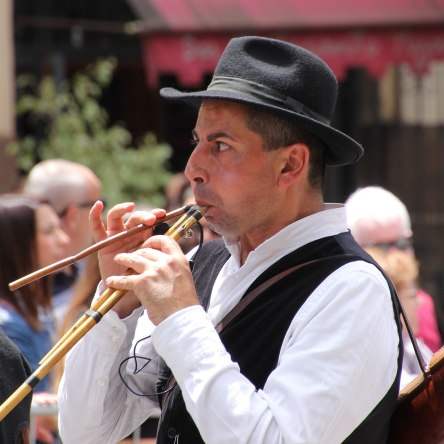
The Sardinian launeddas, also known as a triplepipe, sounds like someone playing three clarinets at the same time.

If you’re at a circus and you hear the band play “The Stars and Stripes Forever” – you better run.
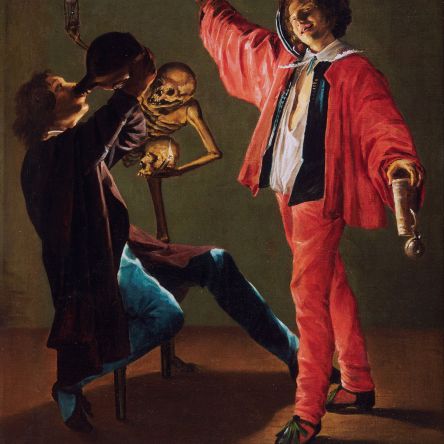
“Gaudeamus igitur” is a solemn Latin song commonly sung at Western graduation ceremonies. Two hundred and fifty years ago, it was a bawdy student drinking song.
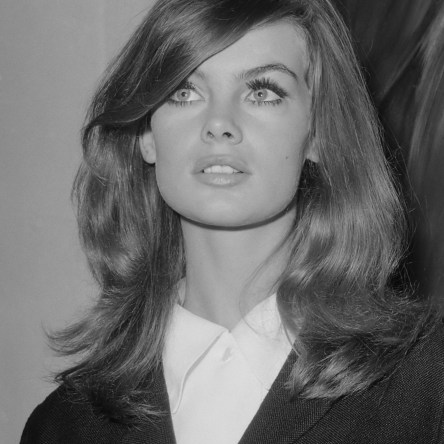
When Jean Shrimpton walked out onto Flemington Racecourse in Melbourne, Australia, in 1965, she didn’t know she was about to make fashion history.
 The Generalist Academy