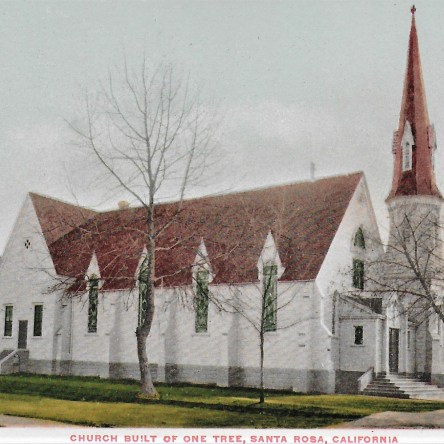
The Church of One Tree
The Church of One Tree in Santa Rosa, California, was built in 1873 out of a single giant redwood tree.
Learn widely
The Church of One Tree in Santa Rosa, California, was built in 1873 out of a single giant redwood tree.
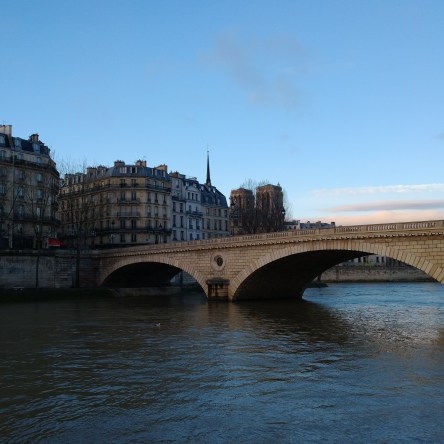
The French artist Yves Klein sold empty space – an invisible “zone of immaterial pictorial sensibility.” Buyers paid in gold, half of which Klein would throw into the Seine River.

In 2004 a new white blood cell defence mechanism was discovered: the cells extrude DNA threads like nets or lassos to trap and neutralise harmful bacteria.

In 1974 the Arecibo message was broadcast into space. In 2001 hoaxers made a reply “from aliens” in a field next to another observatory.
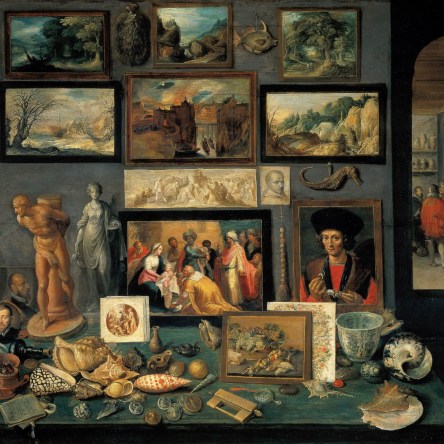
The Universal Decimal Classification aims to label all human knowledge, and it’s even more thorough than the Dewey Decimal system.
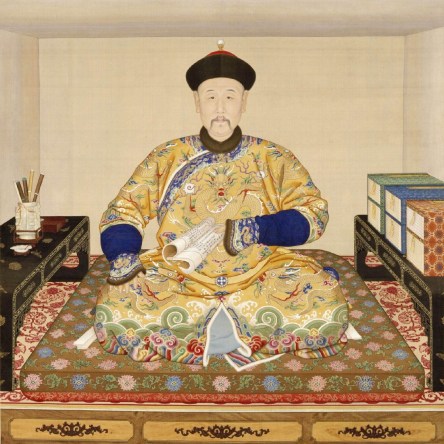
Poisoned potions of immortality caused the death of up to seven Chinese emperors – the last less than three centuries ago.

It is illegal to climb Gangkhar Puensum in Bhutan, so no-one has ever reached the top. It is the highest unclimbed mountain in the world.
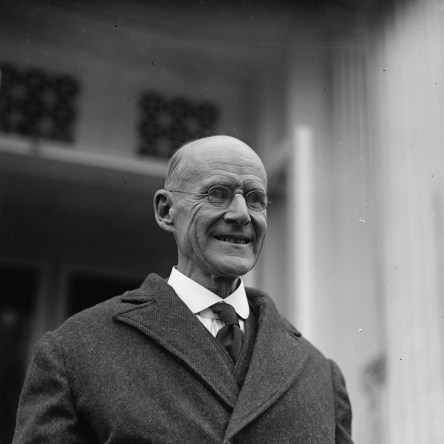
Eugene Debs received more than 900,000 votes in the 1920 American presidential election – while in prison for sedition.

In 2011, the World Computer Chess Championship banned the four-time champion Rybka chess engine for cheating.

In the 1993 World Open chess tournament, an unknown competitor drew a match against a grandmaster. He used a computer to cheat.

How did people wake up in the morning before alarm clocks? They paid to get knocked up.

Sarah Josepha Hale published “Mary had a Little Lamb” in 1830. Forty-six years later, Mary Tyler claimed to be the original Mary.
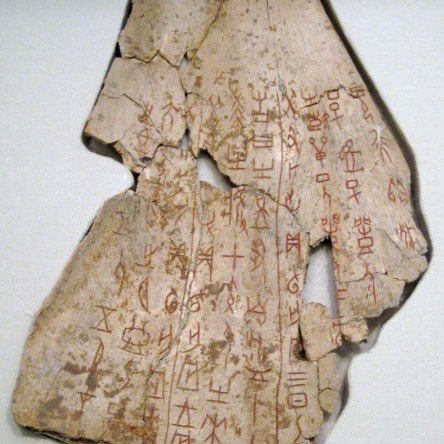
The Doubting Antiquity School were sceptics of ancient Chinese texts’ historical veracity… until the oracle bones were deciphered.

A Portuguese mercenary stole the largest working bell in history from Shwedagon Pagoda, and then lost it in the waters of the Yangon River.
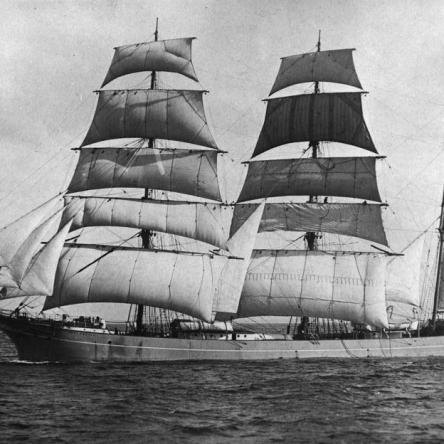
The fastest sailing route around the world – the Clipper route – is also the most dangerous.
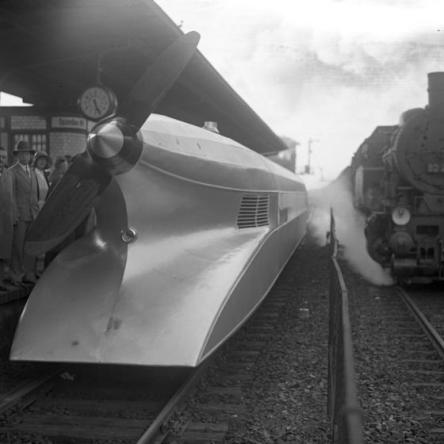
Germany’s 1930 Schienenzeppelin was a propeller-driven train that could pull forty passengers at speeds faster than 200 kilometres per hour.
 The Generalist Academy