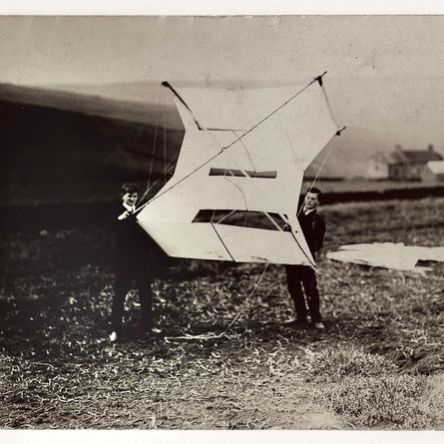
Wittgenstein’s propellers
The famed philosopher Ludwig Wittgenstein was also an early pioneer of jet-engine propellers.
Learn widely
The famed philosopher Ludwig Wittgenstein was also an early pioneer of jet-engine propellers.
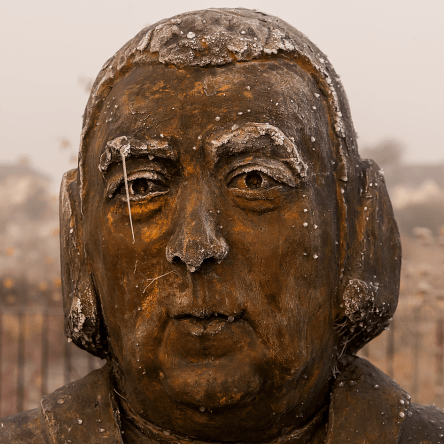
John Newton was a press-ganged sailor, a slave, a slave-ship captain, an Anglican priest, an abolitionist, and the author of the hymn “Amazing Grace.”

Georgian London’s most famous prankster once summoned thousands of officials and tradespeople to the house of an unsuspecting victim.
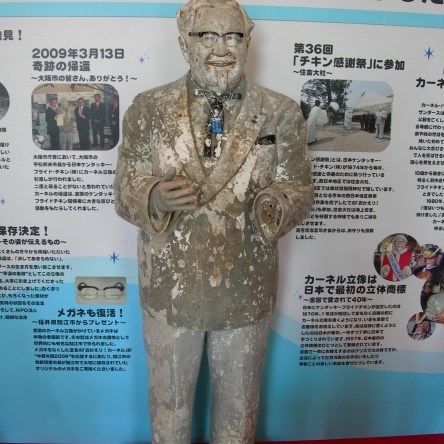
The ghost of KFC’s Colonel Sanders has haunted a Japanese baseball team since 1985.

The Sweet Track in Somerset, Britain, was built exactly 5,828 years ago.
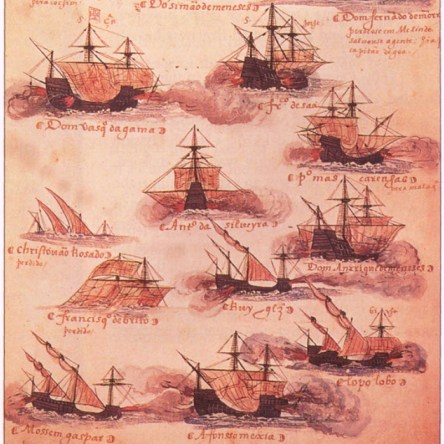
How about that time that the Egyptian Mamluks, with secret support from Venice, battled the Portuguese in the sea off the coast of India?
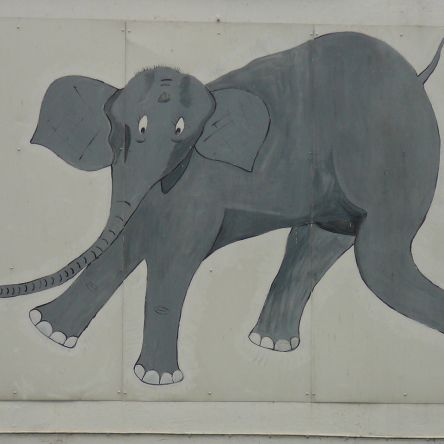
In 1950 Tuffi the elephant fell 12 metres out of a suspended monorail into a river. She survived.

In 1967, fifteen ships and their crews were trapped on the Suez Canal because of the Six-Day War. The ships would remain there for the next eight years.

In 2018 an American missionary travelled to North Sentinel Island in an attempt to bring Christianity to one of the last uncontacted peoples in the world. He did not return.
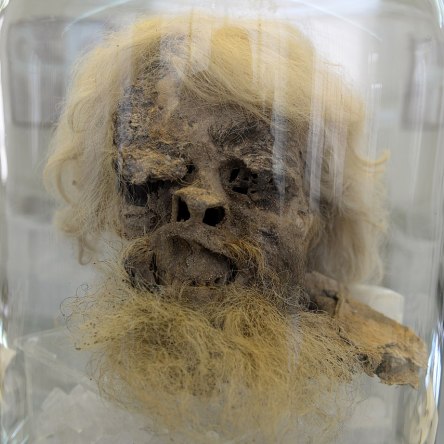
Most accidental mummies are preserved by heat, cold, or peat bogs. But in the Chehrabad mines in Iran, the bodies of ancient miners were buried in salt.
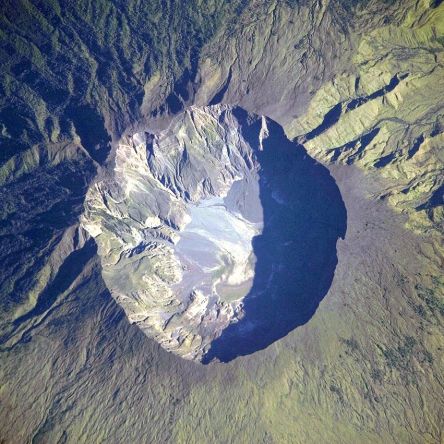
What do the bicycle, Marmite, Mormonism, and Frankenstein have in common? A volcano in Indonesia.
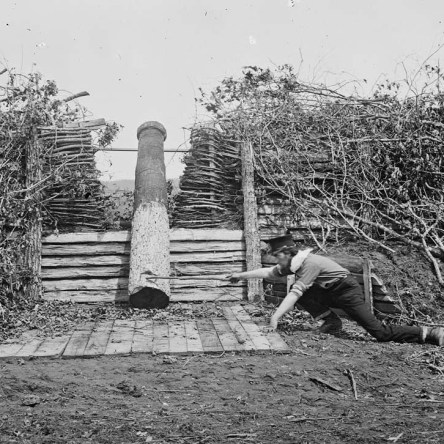
Take a log, paint it black, and make sure your enemy can see it. The “quaker guns” were a key piece of strategic deception in the American Revolutionary and Civil Wars.
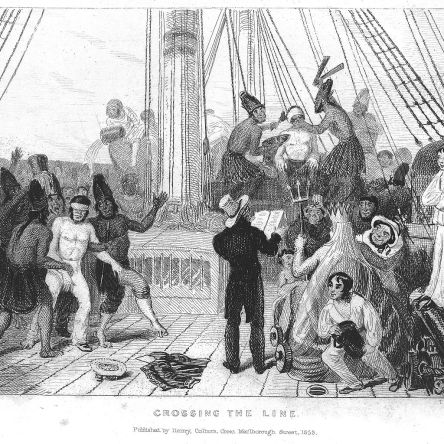
On 17 February 1832 – at the bidding of Neptune, god of the sea – Charles Darwin was blindfolded, his face covered in paint and pitch, and he was dunked into a water bath. He had crossed the line for the first time.

On December 29, 2010, Eddie Tipton won US$14.3 million from Hot Lotto. In 2015 he went to jail for it. Tipton had hacked the lottery’s random number generator.

In 1946 a modified V-2 rocket took the first picture of our planet from outer space.
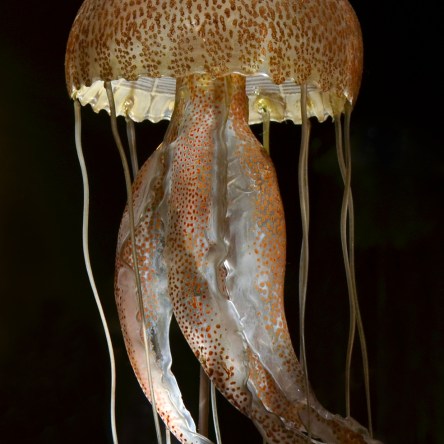
19th century glass artists Leopold and Rudolf Blaschka provided natural history museums around the world with lifelike glass replicas of marine life.
 The Generalist Academy