
Little Women and the mummy’s curse
At the same time she was writing the novel Little Women, Louisa May Alcott also wrote one of the first stories to feature an Egyptian mummy’s curse.
Learn widely
At the same time she was writing the novel Little Women, Louisa May Alcott also wrote one of the first stories to feature an Egyptian mummy’s curse.
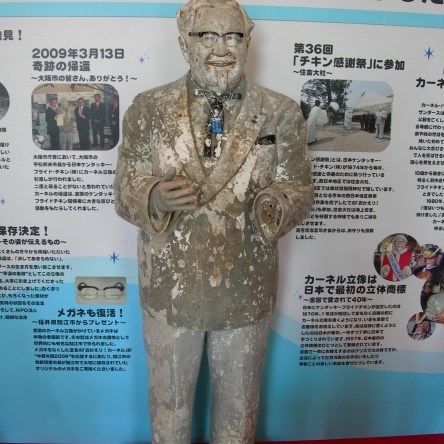
The ghost of KFC’s Colonel Sanders has haunted a Japanese baseball team since 1985.

Since 1971, US diplomats and State Department workers who disagree with government policy can communicate their opposition through the Dissent Channel.
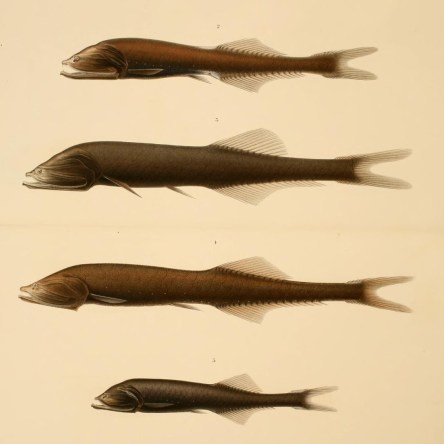
The bristlemouth, a small ugly genus of fish found in the ocean twilight zone, is probably the most common vertebrate on the planet – estimates go as high as the quadrillions.

The Sweet Track in Somerset, Britain, was built exactly 5,828 years ago.

Mozart’s famous piece Ein kleine Nachtmusik has four movements – but in his personal catalogue, Mozart recorded five.

According to Las Cabañuelas lore, you can predict the weather for the whole year based on the weather of each day in January.
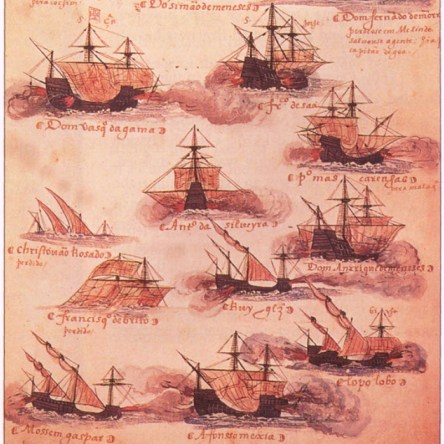
How about that time that the Egyptian Mamluks, with secret support from Venice, battled the Portuguese in the sea off the coast of India?
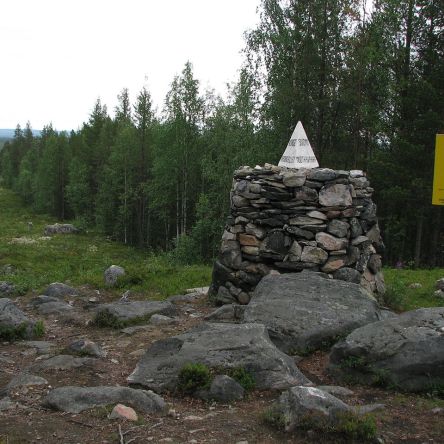
At several points around the world, three time zones meet.

In 1950 Tuffi the elephant fell 12 metres out of a suspended monorail into a river. She survived.

In 1967, fifteen ships and their crews were trapped on the Suez Canal because of the Six-Day War. The ships would remain there for the next eight years.

In 2018 an American missionary travelled to North Sentinel Island in an attempt to bring Christianity to one of the last uncontacted peoples in the world. He did not return.
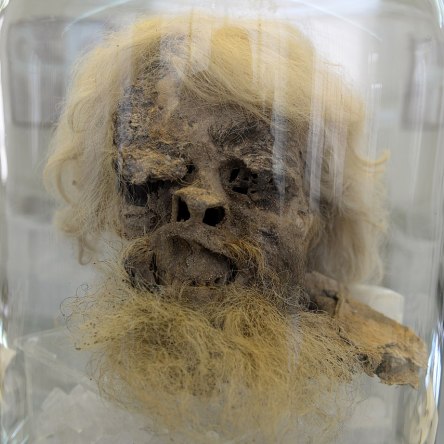
Most accidental mummies are preserved by heat, cold, or peat bogs. But in the Chehrabad mines in Iran, the bodies of ancient miners were buried in salt.

The bridges depicted on the Euro banknotes were fictional… until the Dutch city Spijkenisse built them all.
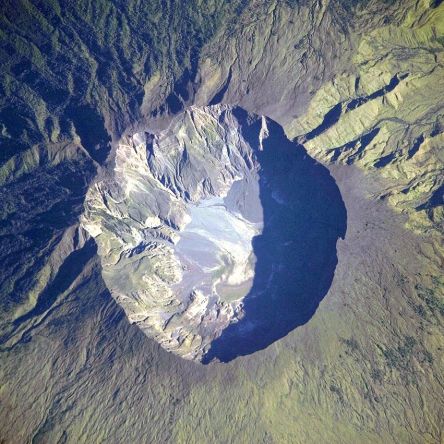
What do the bicycle, Marmite, Mormonism, and Frankenstein have in common? A volcano in Indonesia.

Why do monolingual Japanese speakers have difficulty distinguishing “l” and “r” sounds? And why do monolingual English speakers have difficulty distinguishing “t” and “th” sounds? [2 of 2]
 The Generalist Academy