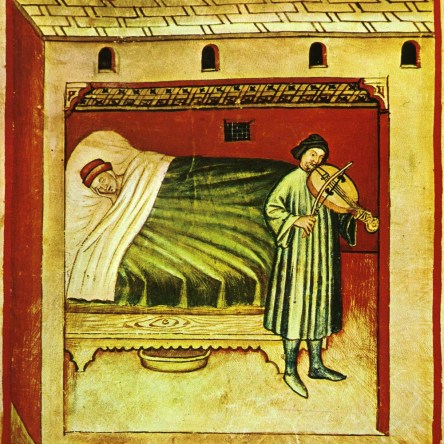
Medieval sleep
The historian A. Roger Ekirch has argued that in Medieval Europe, and in many places prior to the Industrial Revolution, people would habitually wake up for an hour in the middle of the night.
Learn widely
The historian A. Roger Ekirch has argued that in Medieval Europe, and in many places prior to the Industrial Revolution, people would habitually wake up for an hour in the middle of the night.

In 1946 Simeon II, the last person to bear the title “tsar,” was deposed and exiled from Bulgaria. Fifty years later, he returned and was elected prime minister.

A tree in New Zealand grows downwards-facing spikes for the first 15 or 20 years of its life; this is thought to be a remnant defence against gigantic now-extinct birds.

Several bird species have been implicated in the spread of wildfire in Australia.
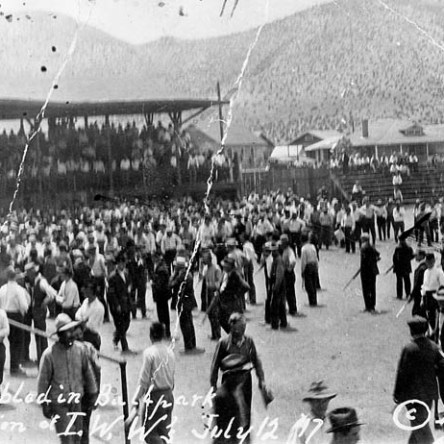
In 1917 a 2,200-strong posse kidnapped 1,300 striking miners from Bisbee in Arizona, loaded them into trains, and sent them to New Mexico. The sheriff then sealed off all the entrances to Bisbee and began purging the town.
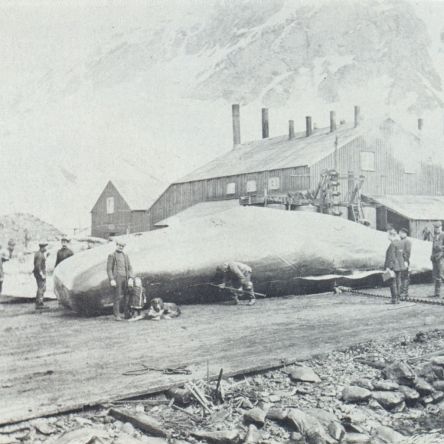
Three people can lay claim to being the first person born in Antarctica: the first born in Antarctic waters, the first born on an Antarctic island, and the first born on the Antarctic mainland.
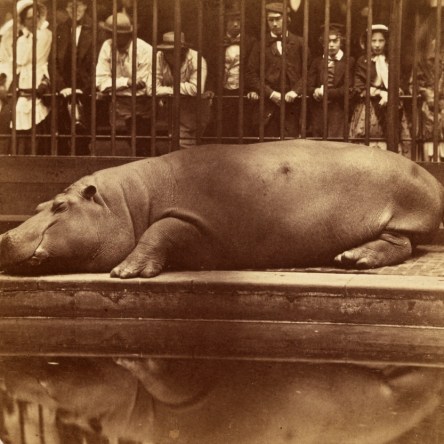
When he arrived in London in 1850, Obaysch was the first hippopotamus in Europe for more than a millennium.

There is a courtyard gallery in the Palazzo Spada in Rome that is designed to fool the eye. It looks like it should be 37 metres long, but in fact it’s only 8 metres in total.
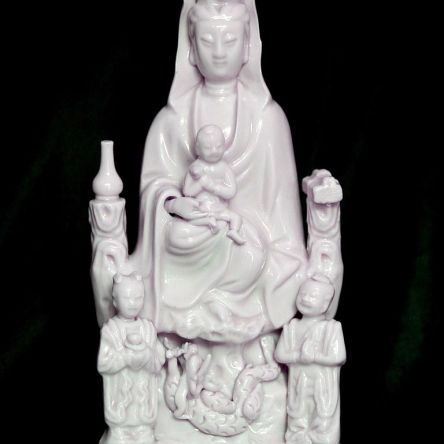
Christianity was banned in Japan in 1614. For the next 250 years, the Kakure Kirishitan (hidden Christians) worshipped in secret.

The Centro Financiero Confinanzas skyscraper was unfinished at the time of the 1994 Venezuelan banking crisis. In 2007, squatters moved in.
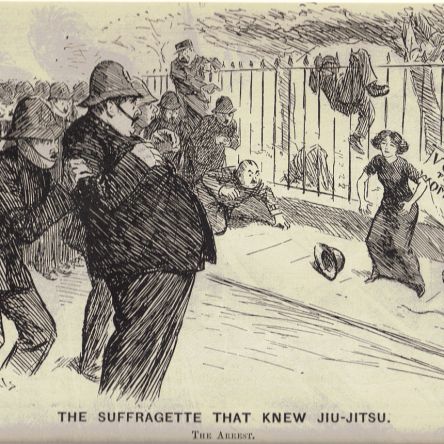
Edith Margaret Garrud trained British suffragettes in Japanese martial arts so that they could evade capture by the police.
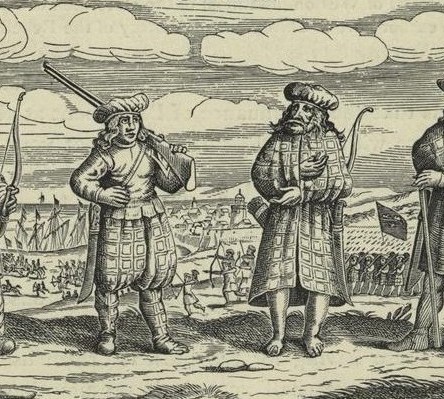
The kilt was banned in 1746, forcing the Scots to wear “the unmanly dress of the Lowlander.”
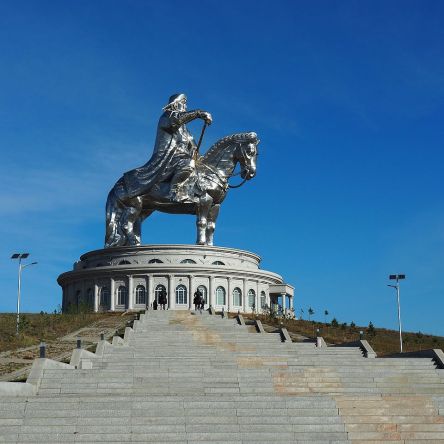
In 1971, Mongolia’s Minister of Culture decided that the country needed its own rock band, and so Soyol Erdene was born.
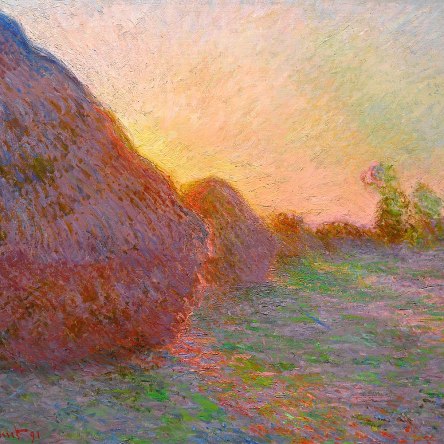
Monet’s 1890-1891 painting series Les Meules à Giverny captured haystacks at multiple times of the day, seasons, and weather conditions. He did this by painting several canvases at once, swapping them as the day changed.
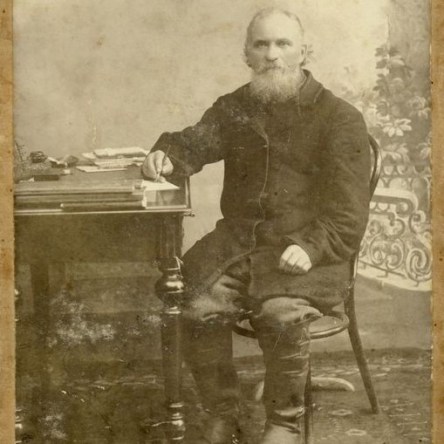
From 1864 to 1904, a vast underground network smuggled illegal books into Russian-controlled Lithuania.
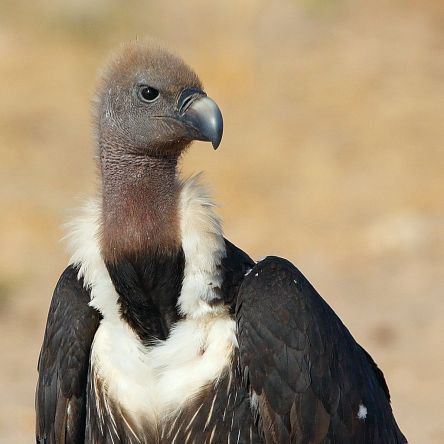
The use of the anti-inflammatory drug Diclofenac on cattle led – very indirectly – to the rise of rabies and leopards in India. And it’s all because of vultures.
 The Generalist Academy