Natural units (Part 1)
Most units of measurement are based on specific physical qualities or tangible reference objects. But they don’t have to be. [1 of 2]
Learn widely
Most units of measurement are based on specific physical qualities or tangible reference objects. But they don’t have to be. [1 of 2]
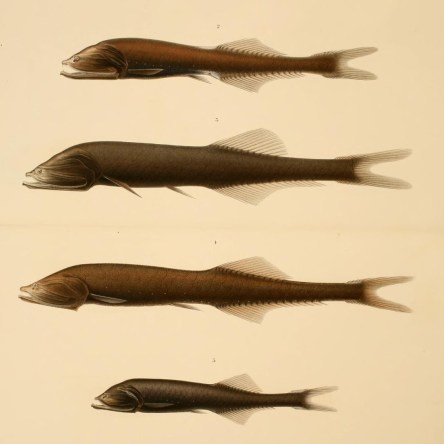
The bristlemouth, a small ugly genus of fish found in the ocean twilight zone, is probably the most common vertebrate on the planet – estimates go as high as the quadrillions.

One nurse, Dee O’Hara, took vitals and monitored astronauts on the Mercury, Gemini, and Apollo missions.

The Sweet Track in Somerset, Britain, was built exactly 5,828 years ago.
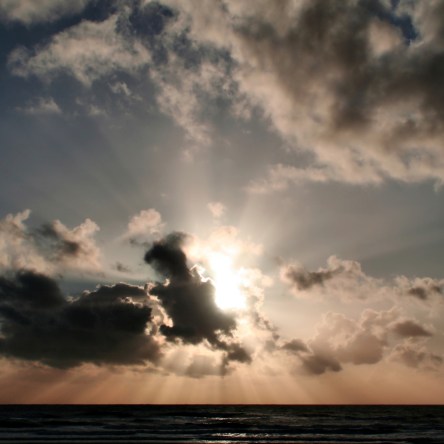
According to Las Cabañuelas lore, you can predict the weather for the whole year based on the weather of each day in January.
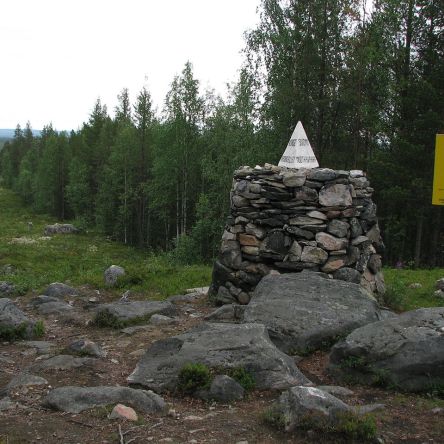
At several points around the world, three time zones meet.
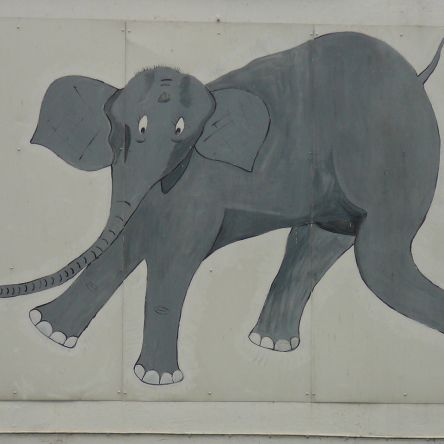
In 1950 Tuffi the elephant fell 12 metres out of a suspended monorail into a river. She survived.
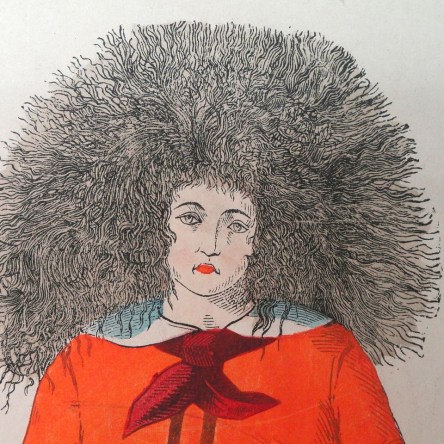
People suffering from Uncombable Hair Syndrome have silvery hair that resists all attempts to comb, brush, or otherwise groom it.

Turnips, black mustard, and cabbage together form a triangle of multi-chromosome hybrids: it’s where we get Indian mustard, Ethiopian mustard, and canola.
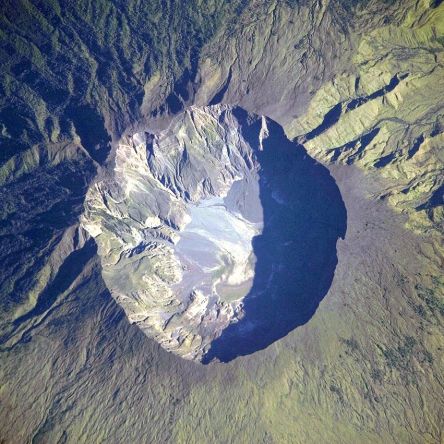
What do the bicycle, Marmite, Mormonism, and Frankenstein have in common? A volcano in Indonesia.
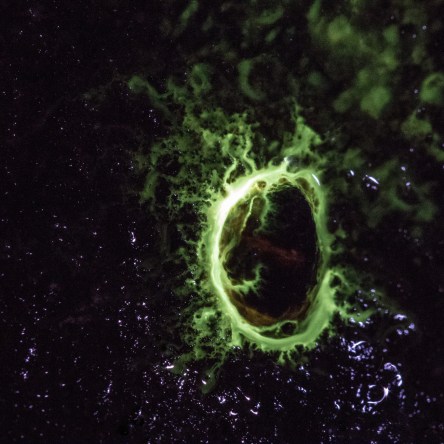
Just one species of land snail and a few species of freshwater snail glow in the dark.
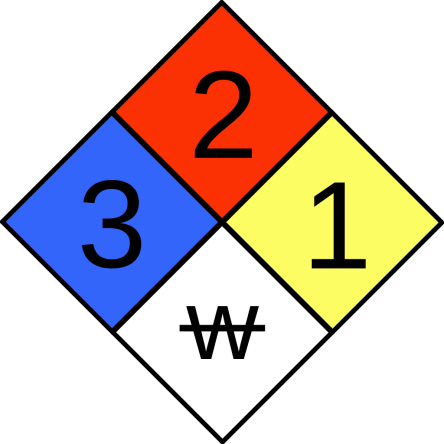
The Fire Diamond categorises hazardous substances according to flammability, instability, and danger to human health. One material ranks the maximum on all three scales.
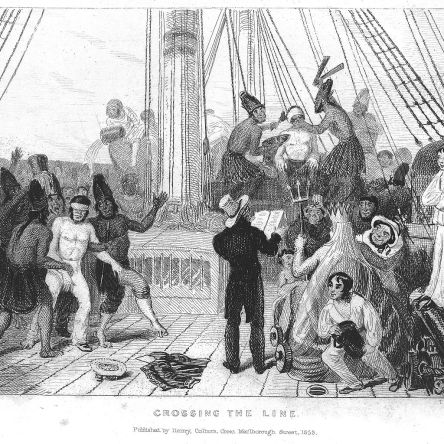
On 17 February 1832 – at the bidding of Neptune, god of the sea – Charles Darwin was blindfolded, his face covered in paint and pitch, and he was dunked into a water bath. He had crossed the line for the first time.
On December 29, 2010, Eddie Tipton won US$14.3 million from Hot Lotto. In 2015 he went to jail for it. Tipton had hacked the lottery’s random number generator.

If you’re playing underwater rugby or football, how do you keep the ball from floating or sinking?

In 1946 a modified V-2 rocket took the first picture of our planet from outer space.
 The Generalist Academy