
Double borrowing
The English language is notorious for borrowing words from other languages. And sometimes it borrows them more than once.
Learn widely
The English language is notorious for borrowing words from other languages. And sometimes it borrows them more than once.
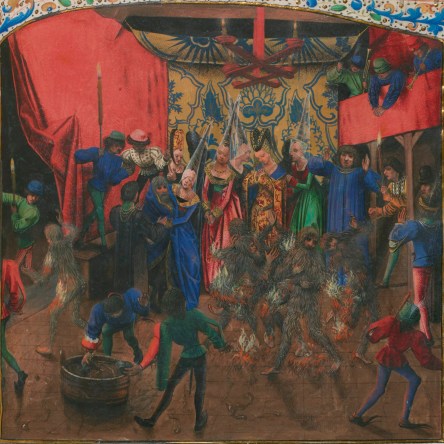
Six dancers in costume caught on fire at a ball in 1393 Paris. Only two survived; one of them was King Charles VI.
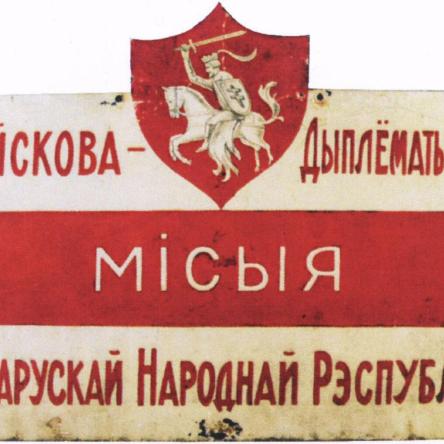
The Rada of the Belarusian Democratic Republic has operated as a government in exile for more than a hundred years.

Geocaching is a recreational treasure hunt, with containers hidden worldwide just waiting to be found. And I do mean worldwide: they can be found at the very bottom of the world, the very top of the world, and even out of this world entirely.
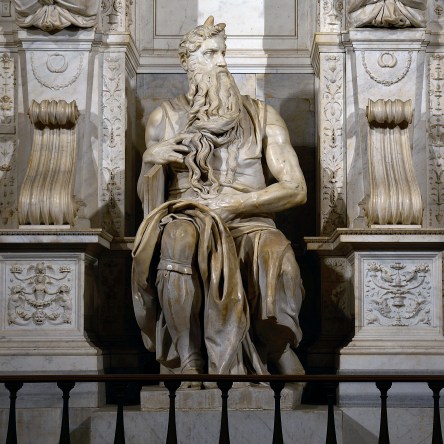
Michelangelo’s statue of Moses has horns, thanks to a mistranslation in the Latin Vulgate Bible.

Kambala is a race with a difference: the winner may not be decided directly on speed, but rather on how high they can kick up water.

In 1976, twenty-six children riding in a California school bus were kidnapped at gunpoint and hidden inside a truck that was buried in a quarry. Twenty-seven hours later, after sixteen hours underground, they escaped.
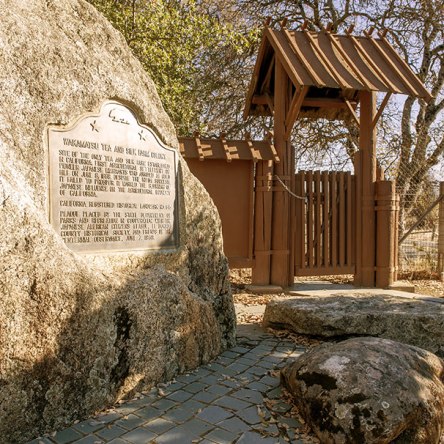
In 1869, some samurai and their families set up a colony in California. Although it only lasted two years, it was the first permanent Japanese settlement in the United States.
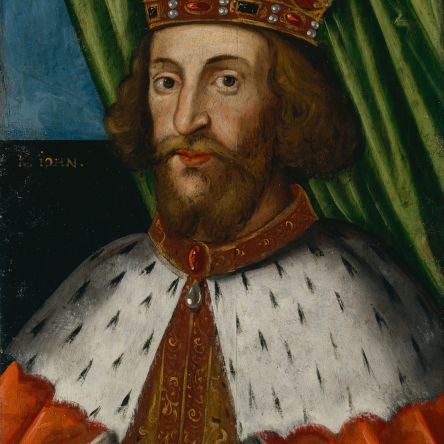
Disney’s Robin Hood features a song about the “Phony King of England.” That song is based on an old (and very bawdy) English folk ballad about “The Bastard King of England.”

The 1988 Winter Olympics included three freestyle skiing events as a demonstration sport: moguls, aerials, and ski ballet. Two of these have become official Olympic sports. One has not.
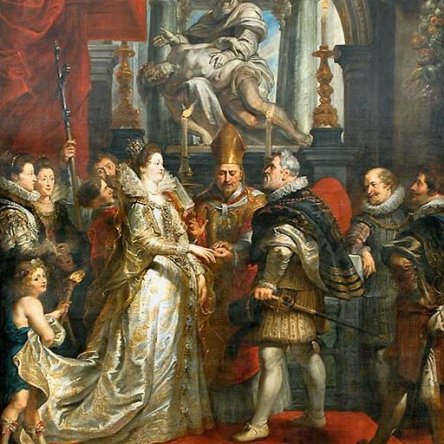
What do Marie Antoinette, Lorenzo the Magnificent, Charles I, and Napoleon have in common? All of them were not in the same location as their partner when they married.
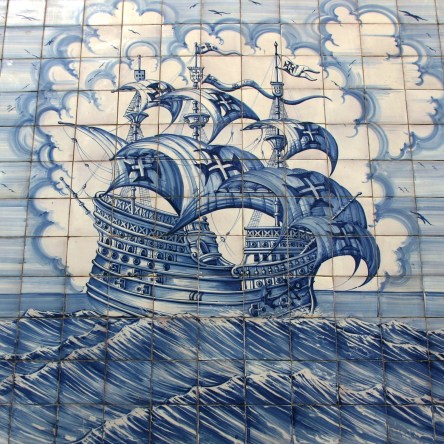
In the 16th century Portugal claimed the Indian Ocean and Spain the Pacific Ocean as their unique domain, as “closed seas.” In 1609, a Dutch jurist presented a new alternative that has since entered international law: the freedom of the seas.
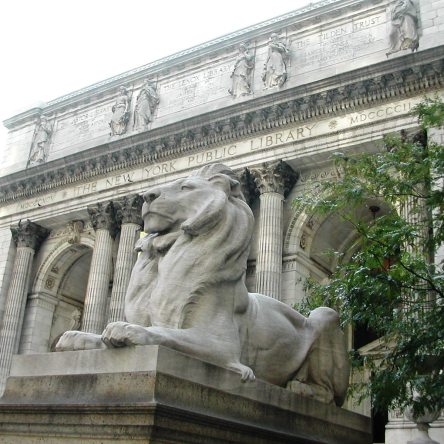
For more than fifty years, Norbert Pearlroth sat in the reading room of the New York Public Library main branch every weekday from noon until 10pm. Unknown to almost everyone, he was researching one of the 20th century’s great sources of facts and trivia.
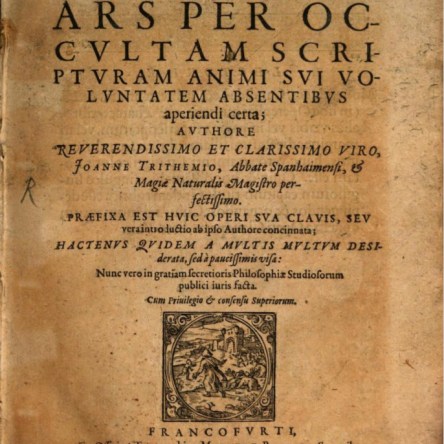
Steganographia is a late 15th / early 16th century German book of magic… but it’s not actually about magic.

Before we knew about plate tectonics, a zoologist proposed a lost continent connecting Madagascar and India across the Indian Ocean. That hypothesis, now debunked, was nevertheless picked up by Theosophists and Tamil revivalists.
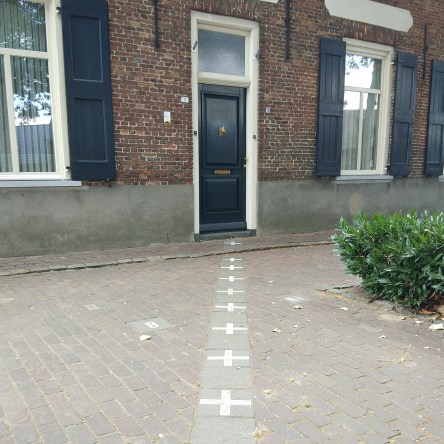
The border between Belgium and the Netherlands at Baarle-Hertog is one of the messiest in the world. It includes bits of Belgium in the Netherlands, and bits of the Netherlands in the bits of Belgium that are in the Netherlands.
 The Generalist Academy