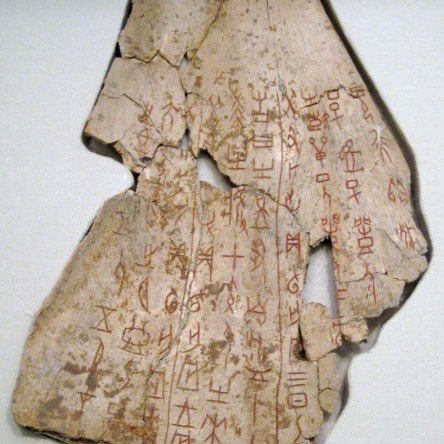
The doubters and the oracle bones
The Doubting Antiquity School were sceptics of ancient Chinese texts’ historical veracity… until the oracle bones were deciphered.
Learn widely
The Doubting Antiquity School were sceptics of ancient Chinese texts’ historical veracity… until the oracle bones were deciphered.

A Portuguese mercenary stole the largest working bell in history from Shwedagon Pagoda, and then lost it in the waters of the Yangon River.

The fastest sailing route around the world – the Clipper route – is also the most dangerous.
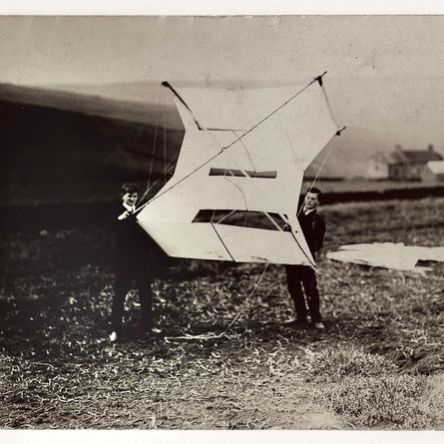
The famed philosopher Ludwig Wittgenstein was also an early pioneer of jet-engine propellers.

The 19th century Scottish author Emily Gerard collected local legends about a school of black magic high in the mountains of Transylvania.
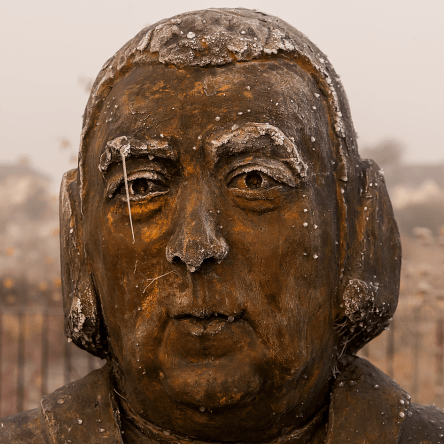
John Newton was a press-ganged sailor, a slave, a slave-ship captain, an Anglican priest, an abolitionist, and the author of the hymn “Amazing Grace.”

Burmese people do not have surnames.

The ghost of KFC’s Colonel Sanders has haunted a Japanese baseball team since 1985.

Since 1971, US diplomats and State Department workers who disagree with government policy can communicate their opposition through the Dissent Channel.

According to Las Cabañuelas lore, you can predict the weather for the whole year based on the weather of each day in January.
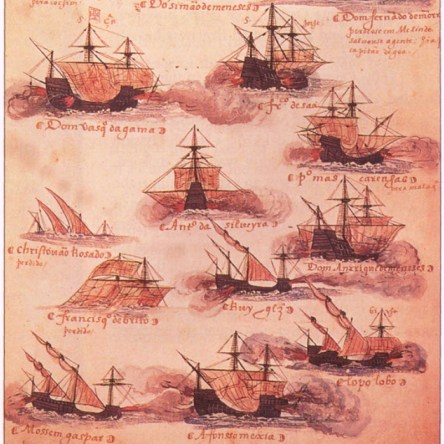
How about that time that the Egyptian Mamluks, with secret support from Venice, battled the Portuguese in the sea off the coast of India?

In 1967, fifteen ships and their crews were trapped on the Suez Canal because of the Six-Day War. The ships would remain there for the next eight years.

In 2018 an American missionary travelled to North Sentinel Island in an attempt to bring Christianity to one of the last uncontacted peoples in the world. He did not return.

The bridges depicted on the Euro banknotes were fictional… until the Dutch city Spijkenisse built them all.

What do the bicycle, Marmite, Mormonism, and Frankenstein have in common? A volcano in Indonesia.

Why do monolingual Japanese speakers have difficulty distinguishing “l” and “r” sounds? And why do monolingual English speakers have difficulty distinguishing “t” and “th” sounds? [2 of 2]
 The Generalist Academy