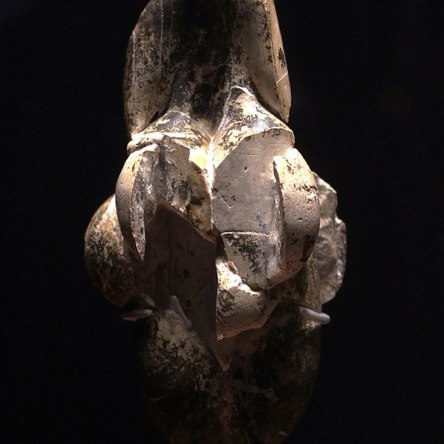
First clothes
When did we start wearing clothes? We don’t know for sure, but the genetics of lice, prehistoric needles, and ivory carvings give us some clues.
Learn widely
When did we start wearing clothes? We don’t know for sure, but the genetics of lice, prehistoric needles, and ivory carvings give us some clues.
When did we start wearing clothes? We don’t know for sure, but the genetics of lice, prehistoric needles, and ivory carvings give us some clues.
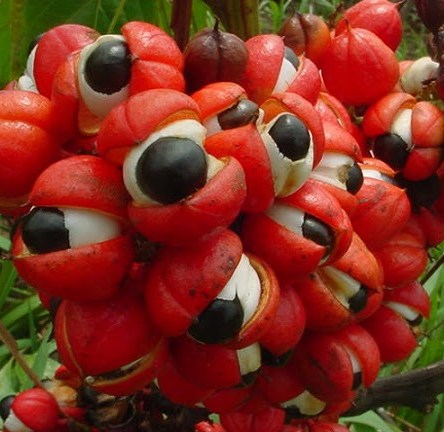
What do bullet ants and guarana have in common? The Sateré-Mawé people of Brazil.
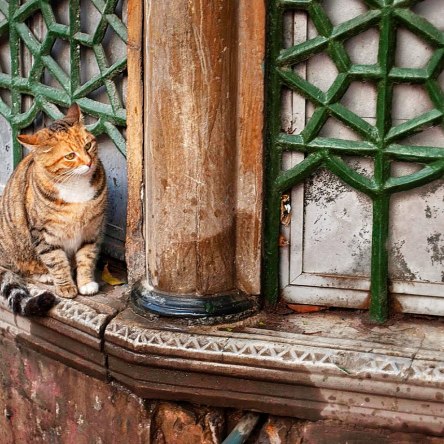
Cats hold a special place in Islam, reaching back as far as Muhammad’s own love of the animals.
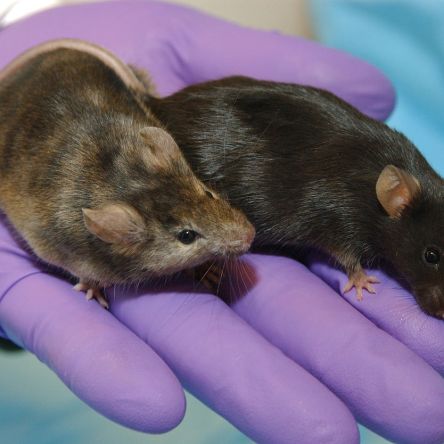
How do you work out the function of a specific gene? Knock them out one by one and see what happens.
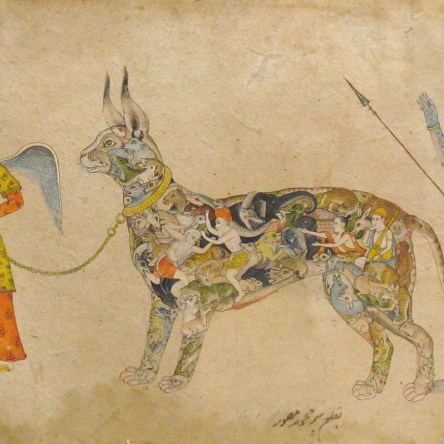
Any attempt to categorise knowledge inevitably reinforces our cultural and epistemological biases. And nowhere is this demonstrated better than the absurd taxonomy of animals created by the Argentinian writer Jorge Luis Borges.
Any attempt to categorise knowledge inevitably reinforces our cultural and epistemological biases. And nowhere is this demonstrated better than the absurd taxonomy of animals created by the Argentinian writer Jorge Luis Borges.
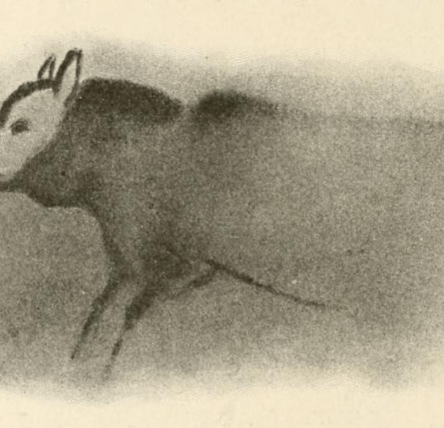
Dogs diverged genetically from wolves between 20 and 40 millennia ago. But the first specimen that is indisputably a dog was found in a German quarry and dates back 14,200 years.

Between 1746 and 1792, seventeen students of Carl Linnaeus set out across the globe to collect plant and animal samples for his new taxonomy. Seven of these apostles died on the trip, and one would betray Linnaeus.
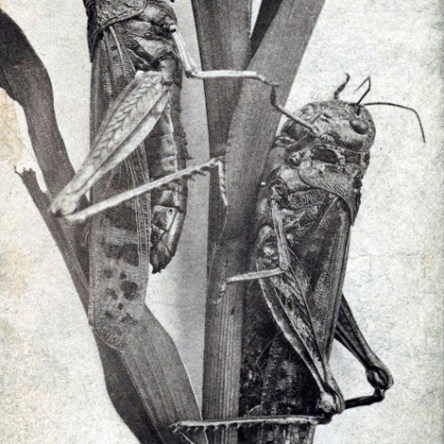
In 1875, trillions (yes, trillions) of Rocky Mountain locusts swarmed over the western United States. Thirty years later, they were extinct.

Some breeds of chicken – like the Kadaknath of India and the Ayam Cemani of Indonesia – are extremely black. Their feathers, beaks, skin, meat, internal organs, and even bones are black.
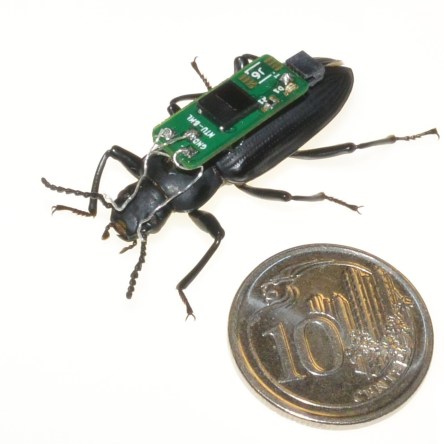
Something creepy for your Friday: attaching electrodes to animals’ brains so their movements can be controlled remotely.
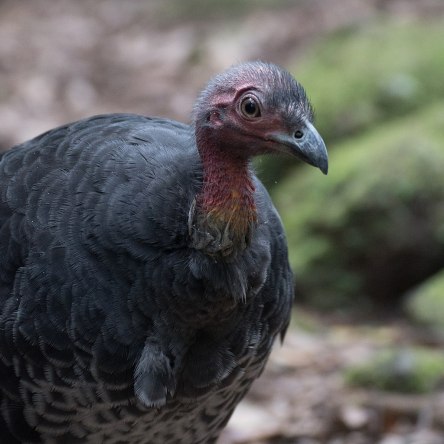
Some Australian birds make compost heaps.
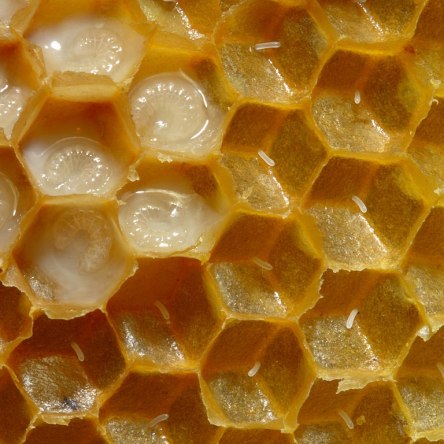
Animals have some of the best old-timey disease names, including heartwater, foulbrood, bluetongue, glanders, scrapie, camelpox, and bumblefoot.

A tree in New Zealand grows downwards-facing spikes for the first 15 or 20 years of its life; this is thought to be a remnant defence against gigantic now-extinct birds.

Several bird species have been implicated in the spread of wildfire in Australia.
 The Generalist Academy