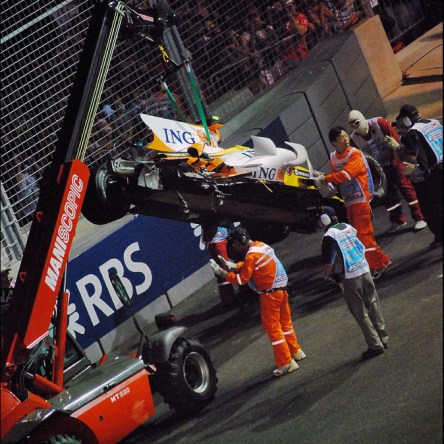
Intentional crash
On the 14th lap of the 2008 Singapore Grand Prix, racer Nelson Piquet Jr. crashed into a wall. He did it on purpose.
Learn widely
On the 14th lap of the 2008 Singapore Grand Prix, racer Nelson Piquet Jr. crashed into a wall. He did it on purpose.
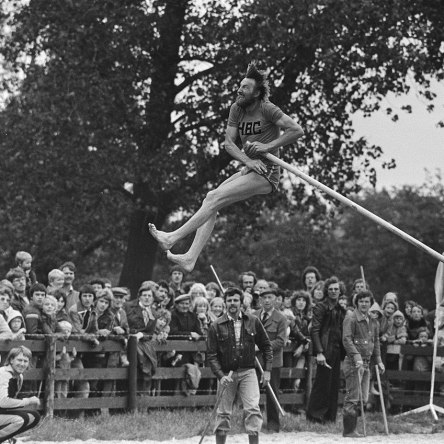
The Dutch sport fierljeppen is just like pole vaulting. Except you don’t run with the pole, you’re allowed to climb while you’re in the air, and you’ve vaulting over a canal.

In 2010 a satirical video “game” called Cow Clicker accidentally became a viral sensation, despite being one of the most deliberately tedious games ever invented.
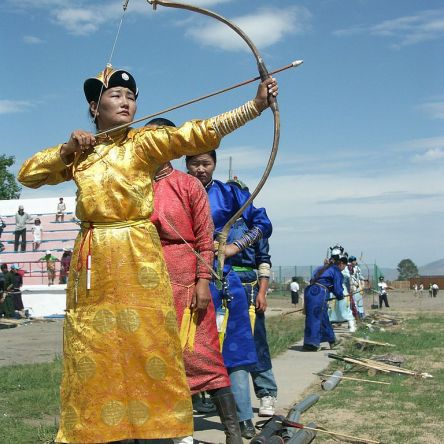
The festival Naadam is like the Mongolian equivalent of the Olympics, with just three sports: wrestling, archery, and horse racing.
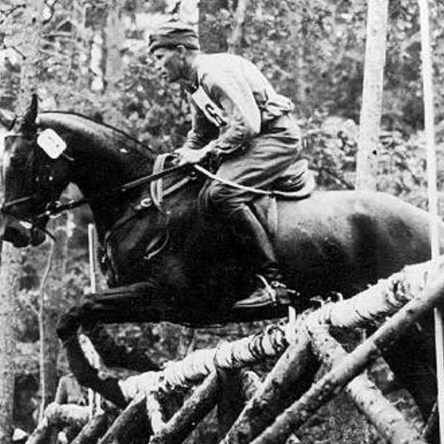
The equestrian events of the 1956 Summer Olympics in Melbourne, Australia, were held in Sweden.
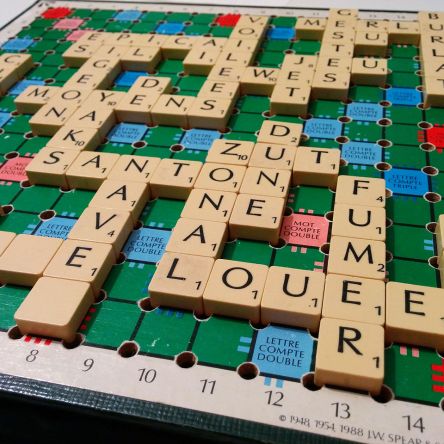
The French comic publishing house L’Association made a game that plays like Scrabble – except that it uses comic panels instead of letters.
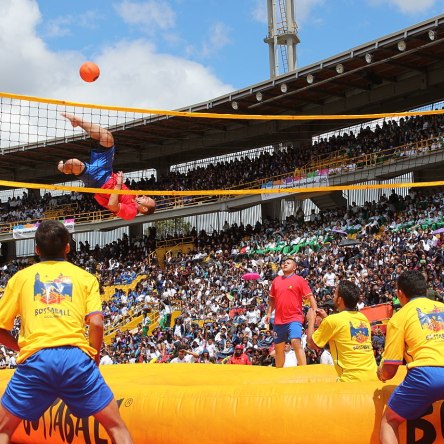
Okay, here’s a hybrid sport for you: combine volleyball, football, and gymnastics. And (why not) throw in a trampoline and make the referee double as the DJ.

The sci-fi author and pacifist H. G. Wells invented one of the first miniature war games.
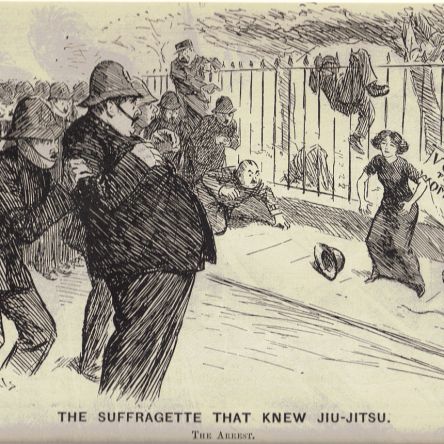
Edith Margaret Garrud trained British suffragettes in Japanese martial arts so that they could evade capture by the police.

What do long distance runners do when they want a real challenge? Run 251km across the Sahara Desert, of course.

Mainoumi Shūhei is a legend in the world of sumo for defeating opponents more than twice his weight.

Lake Eyre, in the middle of the Australian Outback, is only a lake when it floods. And when that happens, people like to sail yachts on it.
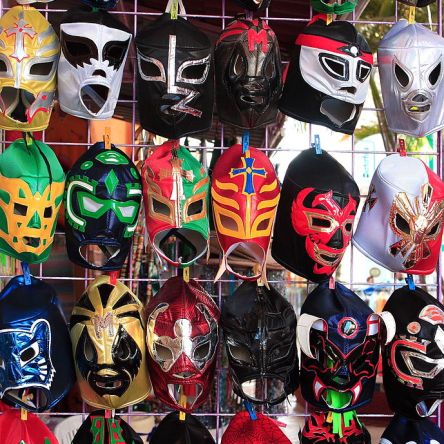
In Mexican wrestling the mask is sacred, and its loss in the ring is the ultimate insult. The first Mexican wrestler to lose his mask was El Murciélago Enmascarado, The Masked Bat, and it all happened eighty years ago.

For the several of the first modern Olympic Games you could win a gold medal in sculpture, painting, music, literature, or architecture.

Shengguan Tu is a board game from a millennium ago that charts players’ rise through the many layers of Chinese bureaucracy.
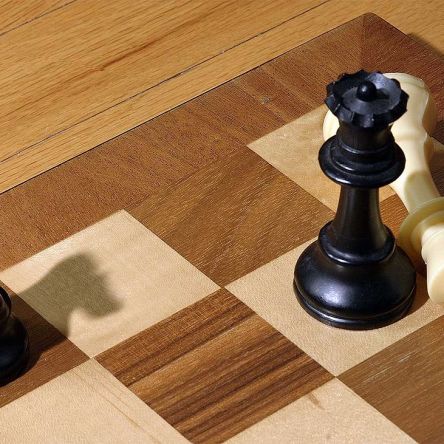
In simultaneous play, a chess master competes against multiple opponents at the same time. In 1951, International Master Robert Wade began such an exhibition match with 30 teenage schoolboys from Moscow. He would not win one game.
 The Generalist Academy