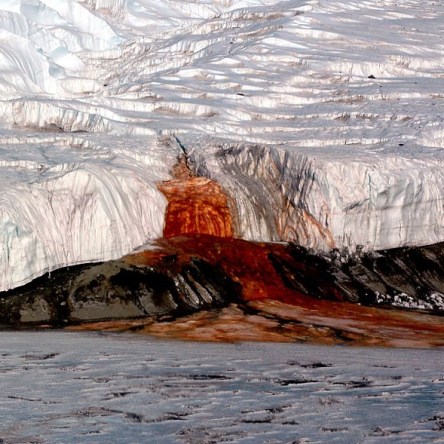
Antarctic blood falls
I write about blood a lot. Sorry. But there’s a waterfall in Antarctica that is the colour of blood. And it has some interesting implications for astrobiology and extinction event survival.
Learn widely
I write about blood a lot. Sorry. But there’s a waterfall in Antarctica that is the colour of blood. And it has some interesting implications for astrobiology and extinction event survival.
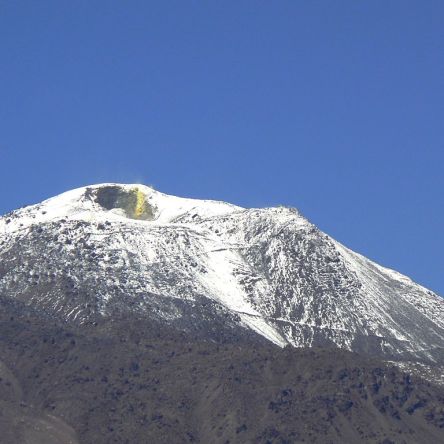
In late 1808, a colossal volcanic eruption disrupted weather around the world. It was one of the three biggest eruptions of the 19th century – but we don’t know where it happened.
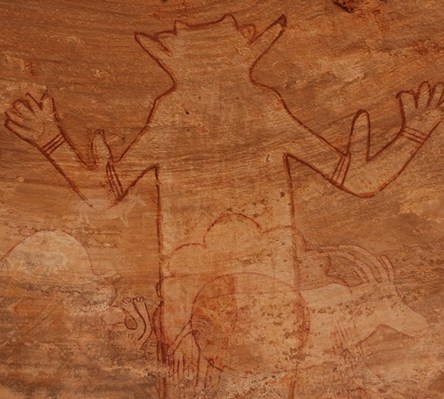
For a period of about four thousand years, during the Neolithic Subpluvial, the Sahara was green. Rivers, lakes, trees, savanna, and pre-historic societies flourished in this wet period.
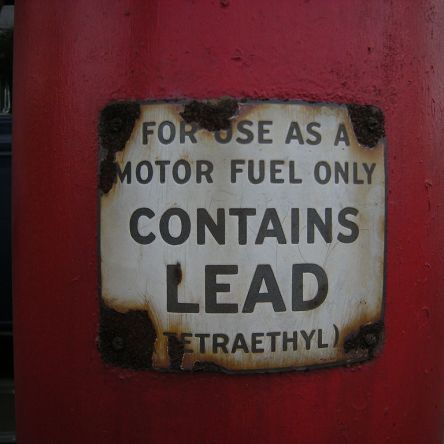
Thomas Midgley Jr. was responsible for two of the most environmentally damaging inventions of the 20th century. An environmental historian said he “had more impact on the atmosphere than any other single organism in Earth’s history.”

A hundred years ago the idea that the continents could move was controversial. Among the “fixists” were some of the luminaries of geology and geophysics in the early 20th century. But history has proven them very, very wrong.

Searching for oil in the 1950s, prospectors discovered huge supplies of ancient water under the Sahara. The Great Man-Made River (an enormous network of underground pipes) now brings that water to the major cities of Libya.

Inge Lehmann analysed seismographs from large earthquakes (in particular the 1929 Murchison earthquake in New Zealand) and concluded that the Earth must have a solid inner core. She was right.
 The Generalist Academy