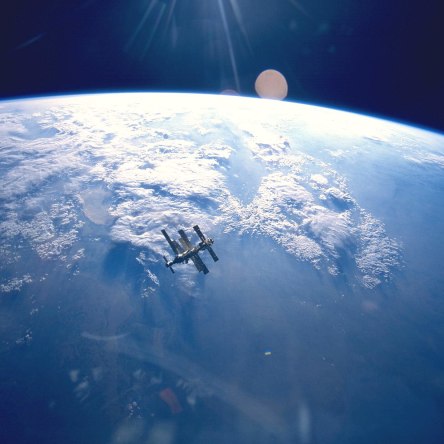
Space cemetery
Where do old spacecraft go to die? Into a graveyard orbit, or into the middle of the Pacific Ocean.
Learn widely
Where do old spacecraft go to die? Into a graveyard orbit, or into the middle of the Pacific Ocean.

Continents move – we know this. The Atlantic is growing thanks to the expansion of the Mid-Atlantic Ridge. But in the future the ridge may start subducting. And with it, the Atlantic may become an inland sea.
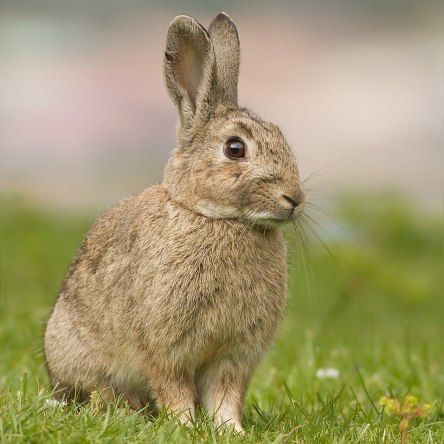
In the 1930s there was a reliable and accurate way to find out if you were pregnant or not. But you had to kill a rabbit.
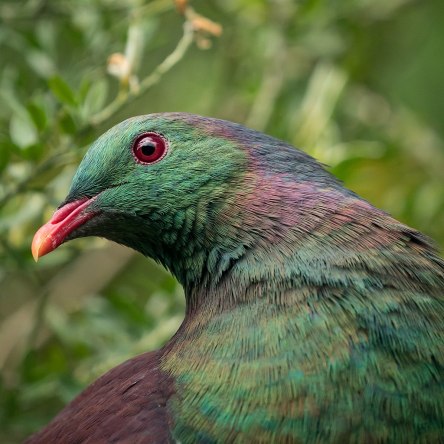
Mammals make milk – it’s one of their defining features. But certain birds (including pigeons, doves, and albatrosses) do as well.

After years of toil and study, the Seven Wardens call you to attend a sacred ritual. At that ceremony, you swear a secret vow and are awarded a ring of iron. Classical cult? Medieval guild? Nope, you’re now a Canadian engineer.
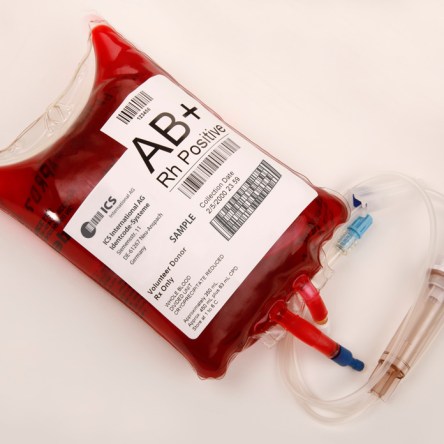
Everyone in Japan knows that people with Type AB blood are creative, intelligent, and untrustworthy. Wait, what?
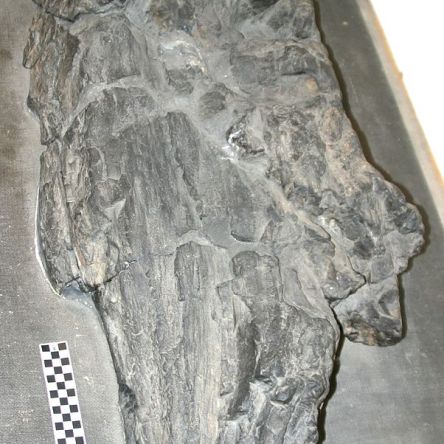
Trees first evolved some time in the Devonian and Carboniferous periods. Before trees, the largest organisms on land were Prototaxites. A metre wide, eight metres high … and a fungus.
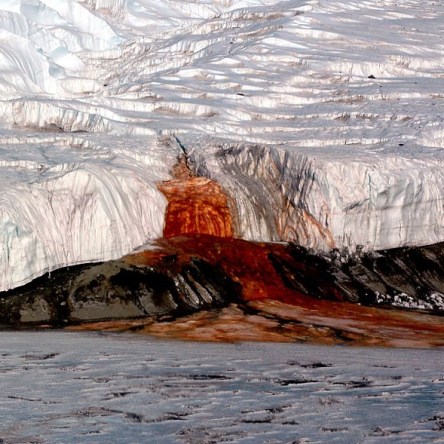
I write about blood a lot. Sorry. But there’s a waterfall in Antarctica that is the colour of blood. And it has some interesting implications for astrobiology and extinction event survival.

Sheep are followers. But what if they were following… a traitor?
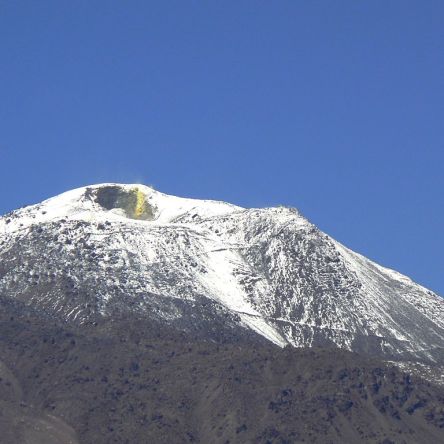
In late 1808, a colossal volcanic eruption disrupted weather around the world. It was one of the three biggest eruptions of the 19th century – but we don’t know where it happened.

Through some tricks of the human eye, we can see colours outside of the normal visual range: Stygian, self-luminous, and hyperbolic colours, and perhaps even combinations like redgreen. These are the impossible colours.
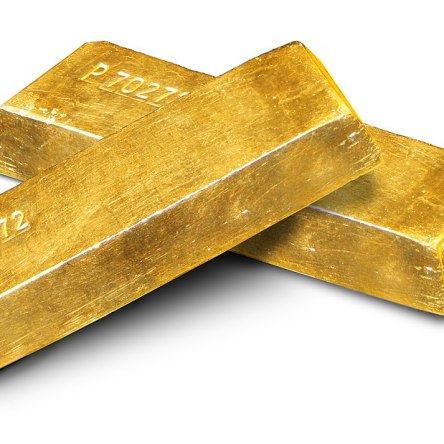
What weighs more, an ounce of feathers or an ounce of gold? Haha, trick question. It’s the ounce of gold.

It’s my 100th post! Read on for a grab-bag of 100-related topics, including the death of the last apostle, the 100th asteroid, 100-handed gods, and the Germanic “long” hundred.

How do you effectively communicate risk when something is risky over the medium or long term? Measure the risk in micromorts (the one-in-a-million chance of dying) and microlives (half an hour of extra life).
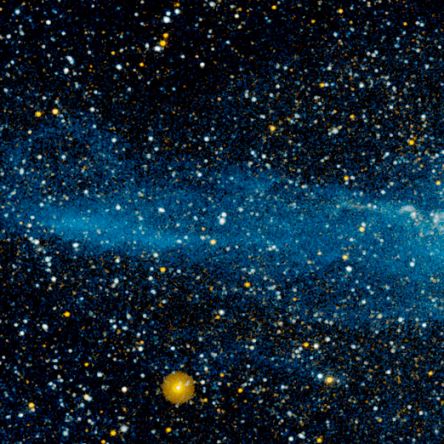
In 1596, German astronomer David Fabricius noticed a star that seemed to appear, disappear, and then reappear months later. It was unlike anything seen before: not a supernova, not a pulsar, but something new – Mira, the miracle star.
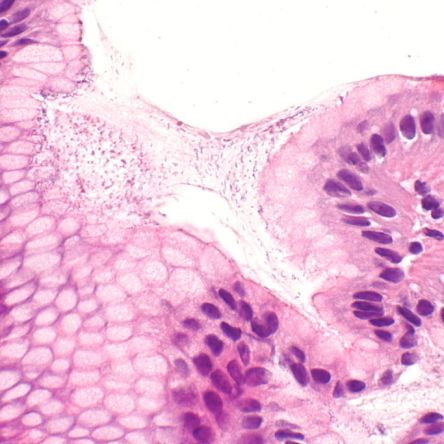
Up until the 1980s, scientific consensus held that stomach ulcers were caused by stress and spicy food. Australian scientist Barry Marshall thought differently, and to test his theory he drank a cup of bacteria.
 The Generalist Academy