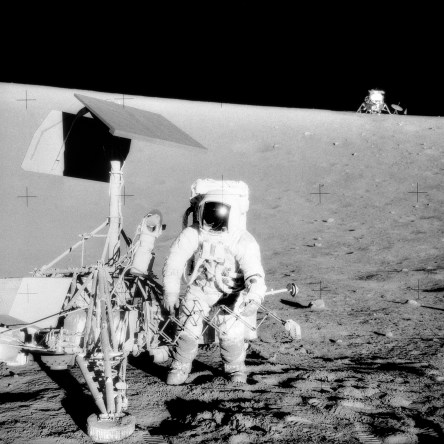
Lunar garbage collection
The second mission to land on the Moon had garbage collection duty: they picked up the remains of a probe that had crashed there two years earlier.
Learn widely
The second mission to land on the Moon had garbage collection duty: they picked up the remains of a probe that had crashed there two years earlier.

The national canal network of Britain powered its Industrial Revolution, then fell into disuse, and then rose again in the late 20th century.

A pendulum clock in Dunedin, New Zealand, has been running for 156 years without being wound.

India prevented people patenting their foods, traditional medicines, and yoga poses by recording them all in an online database: 34 million pages’ worth.
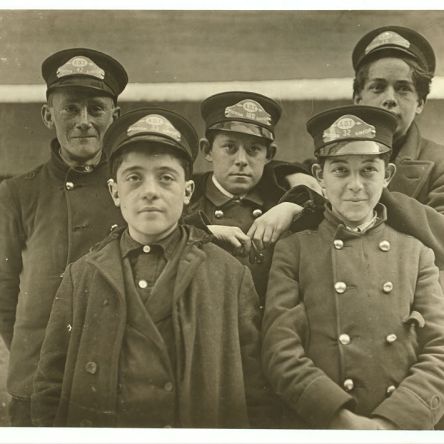
T CODE CD CNDNS LG MSGS TO SV MON WN SDG TM BI CBL.
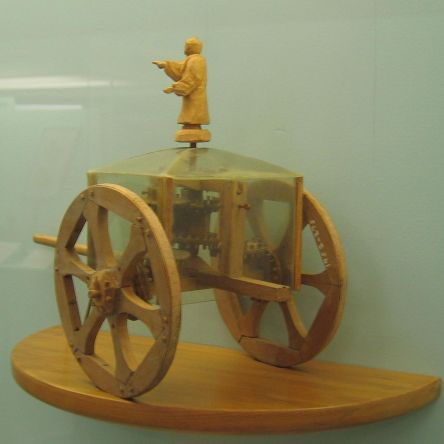
Around 255 CE, a Chinese inventor named Ma Jun created a chariot that could always point south – without using magnets.
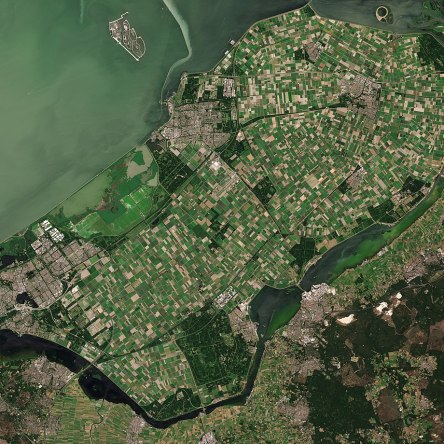
423,000 people live in Flevoland, a province of the Netherlands. Before 1957, the entire area did not exist.

120 years ago engineers permanently reversed the flow of Chicago River.

A plot point in the 1986 film Star Trek IV: The Voyage Home features the fictional material transparent aluminium. Around the same time, actual transparent aluminium was patented.
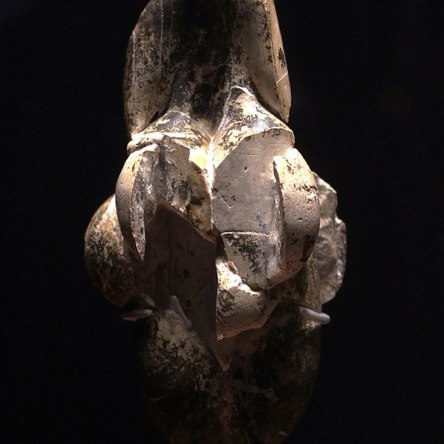
When did we start wearing clothes? We don’t know for sure, but the genetics of lice, prehistoric needles, and ivory carvings give us some clues.
When did we start wearing clothes? We don’t know for sure, but the genetics of lice, prehistoric needles, and ivory carvings give us some clues.
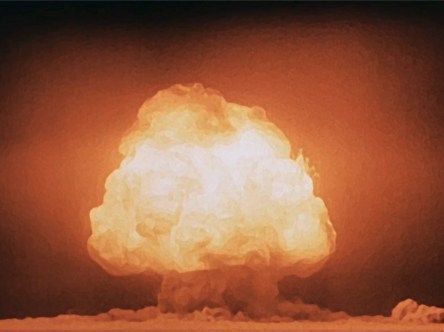
If you want to build a Geiger counter you need to first find a shipwreck from before 1945.
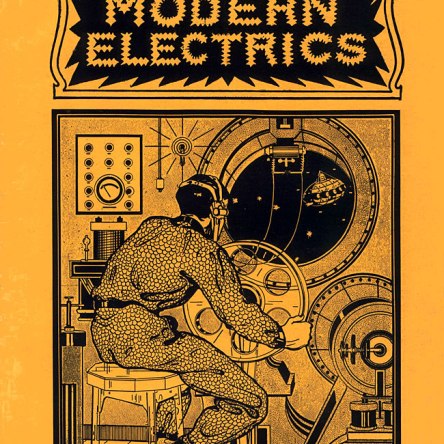
In 1953 the sci-fi author Hugo Gernsback proposed provisional patents for sci-fi writers’ hypothetical inventions. 42 years earlier, he had predicted radar, television, remote controls, solar power, synthetic cloth, and videophones.
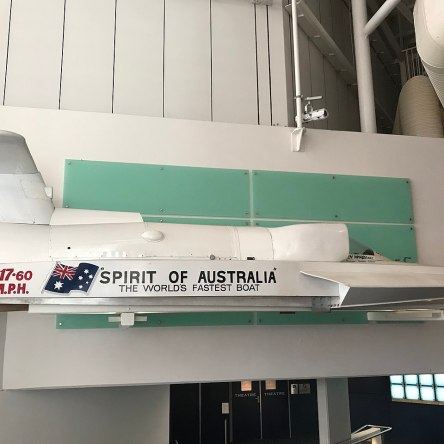
The world water speed record has stood for more than forty years, ever since an Australian build a boat out of wood in his backyard and strapped a jet engine on its back.
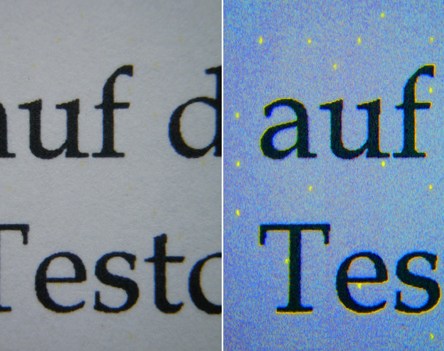
Since the 1980s most colour printers and photocopiers add a set of secret near-invisible dots to every page they print. The dots uniquely identify the origin and timestamp of that printout.
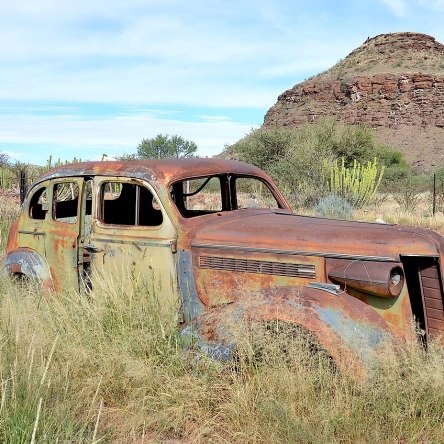
Ever see a post-apocalyptic film where people are driving cars years after the fall of civilisation? Sorry, car fuel doesn’t work like that.
 The Generalist Academy