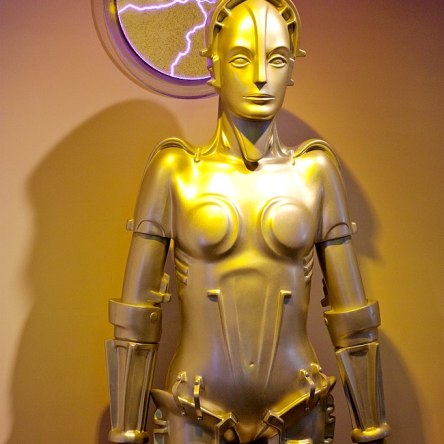
Death by robot
January 25, 1979: the day that the robot uprising began. Well, not precisely, but that day saw the first human fatality caused by a robot. It would not be the last.
Learn widely
January 25, 1979: the day that the robot uprising began. Well, not precisely, but that day saw the first human fatality caused by a robot. It would not be the last.
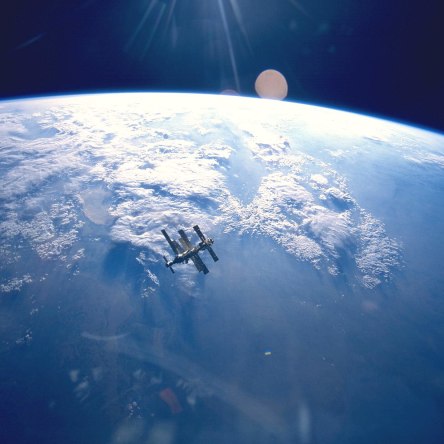
Where do old spacecraft go to die? Into a graveyard orbit, or into the middle of the Pacific Ocean.

After years of toil and study, the Seven Wardens call you to attend a sacred ritual. At that ceremony, you swear a secret vow and are awarded a ring of iron. Classical cult? Medieval guild? Nope, you’re now a Canadian engineer.
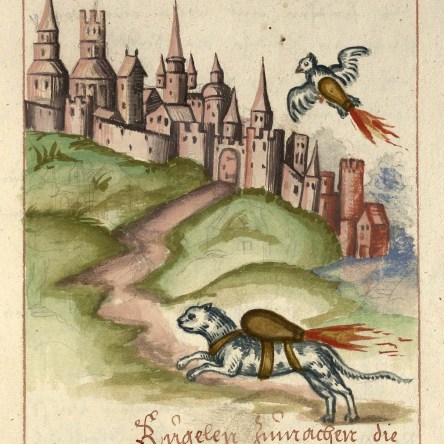
In the early 17th century, the German artillery master Franz Helm suggested attaching a bomb to the back of a cat, in the hope that it would run into a fortified town and set it on fire. This sounds like a terrible idea.

It’s a bad idea to make a bridge out of cast iron – it’s brittle and doesn’t handle tension well – but the very first major bridge of this type opened to traffic in 1781 and still stands today.
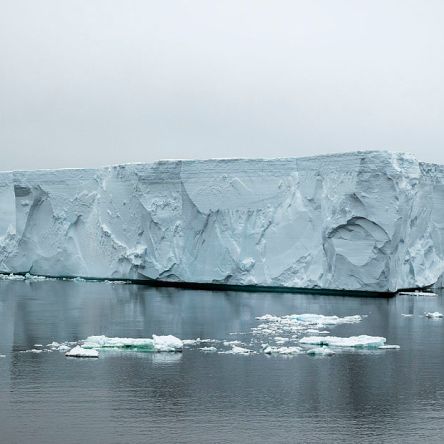
Take water, mix with wood pulp, and freeze. Now it’s as strong and tough as concrete, as long as it stays frozen. So, in World War II, serious plans were afoot to use it to build battleships out of ice.
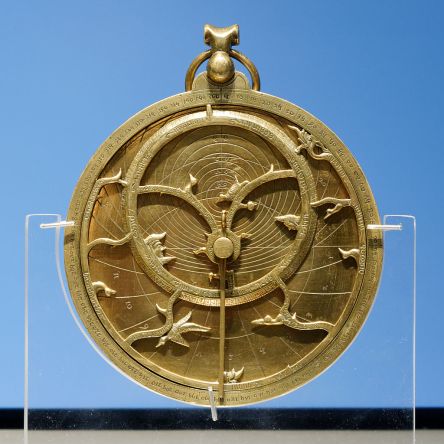
Geoffrey Chaucer is best known as the author of The Canterbury Tales, one of the most important works of early English literature. I guess that didn’t pay the bills, because he also wrote one of the first English technical manuals.
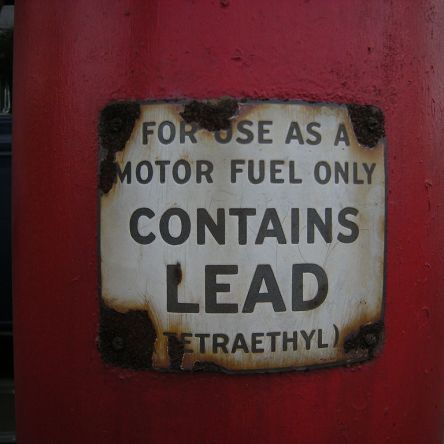
Thomas Midgley Jr. was responsible for two of the most environmentally damaging inventions of the 20th century. An environmental historian said he “had more impact on the atmosphere than any other single organism in Earth’s history.”

Flying airplanes gather ice. It’s cold up there. That ice can get into the machinery and cause significant danger. So how do you keep the ice away? The same way we do: with rubber boots.
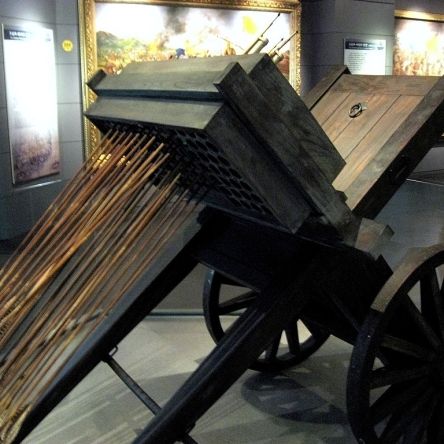
We think of rocket launchers as a modern invention, but the Koreans were using them four hundred years ago. The hwacha could fire two hundred rockets at once, blowing up enemies more than a hundred metres away.

Elias Howe Jr. patented the modern sewing machine in 1846. Its innovative “lockstitch” mechanism was revolutionary. And, apparently, it came to Howe in a dream.

Searching for oil in the 1950s, prospectors discovered huge supplies of ancient water under the Sahara. The Great Man-Made River (an enormous network of underground pipes) now brings that water to the major cities of Libya.
 The Generalist Academy